Innovations & Digital Economy in Georgia

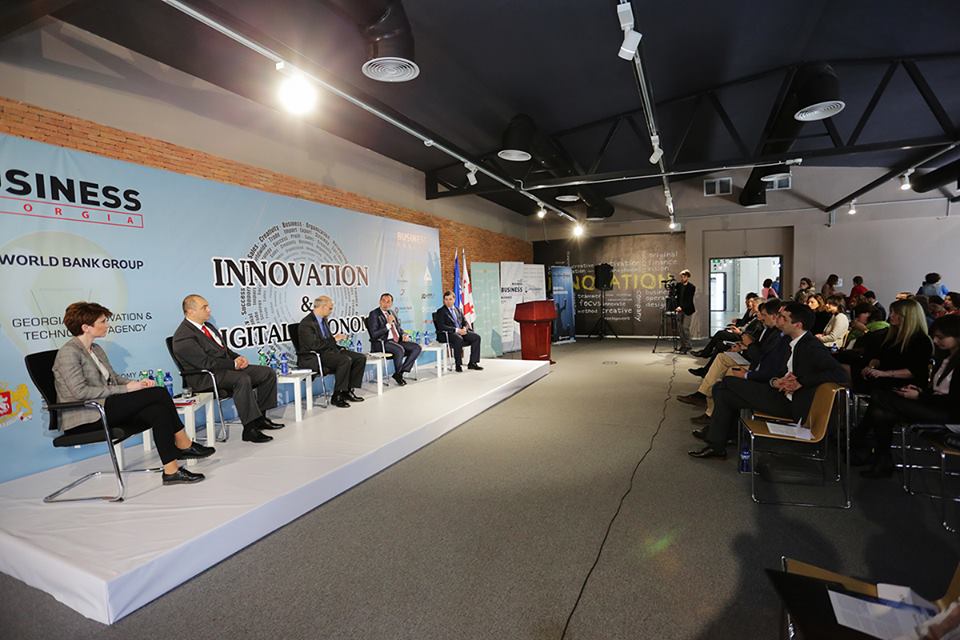
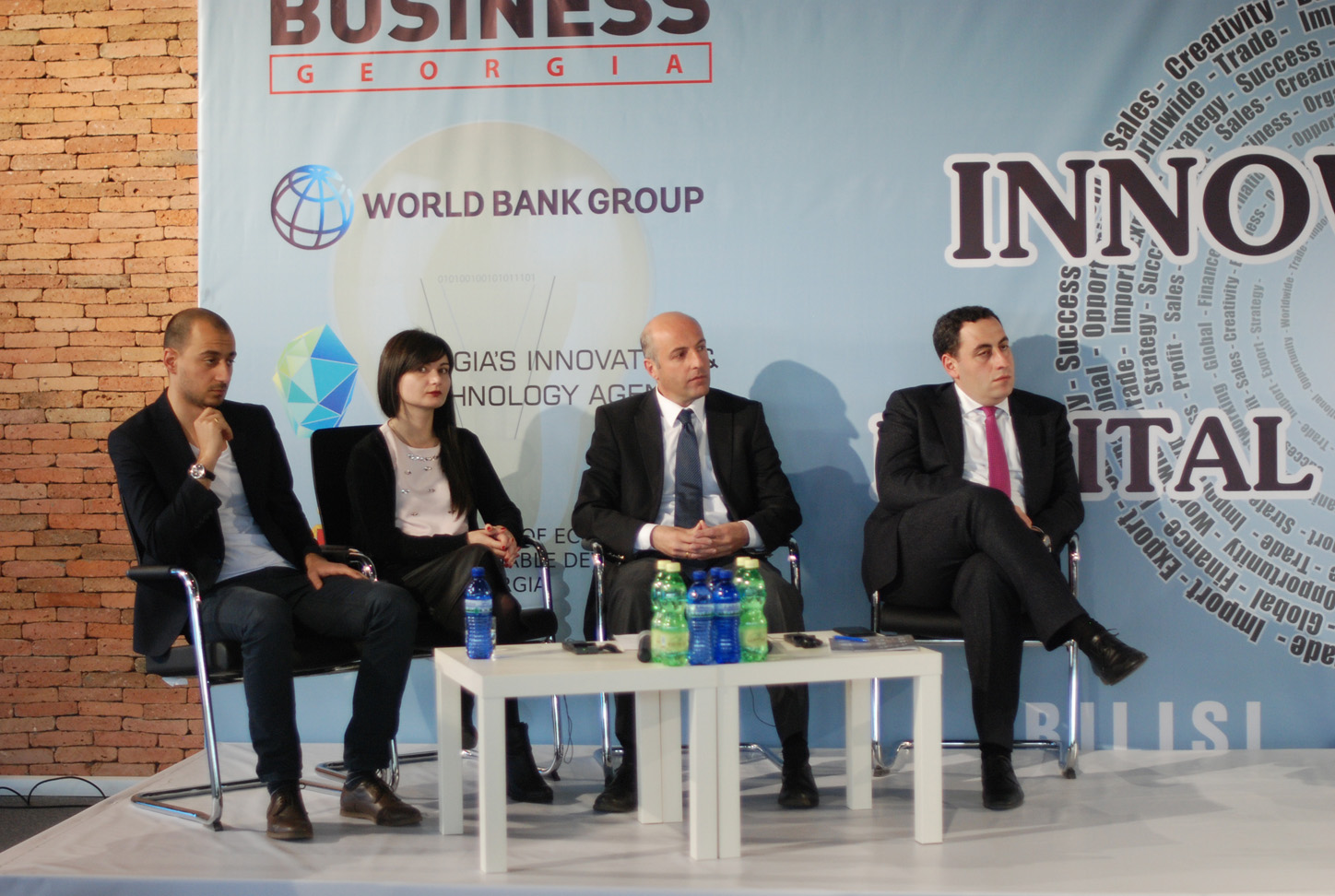
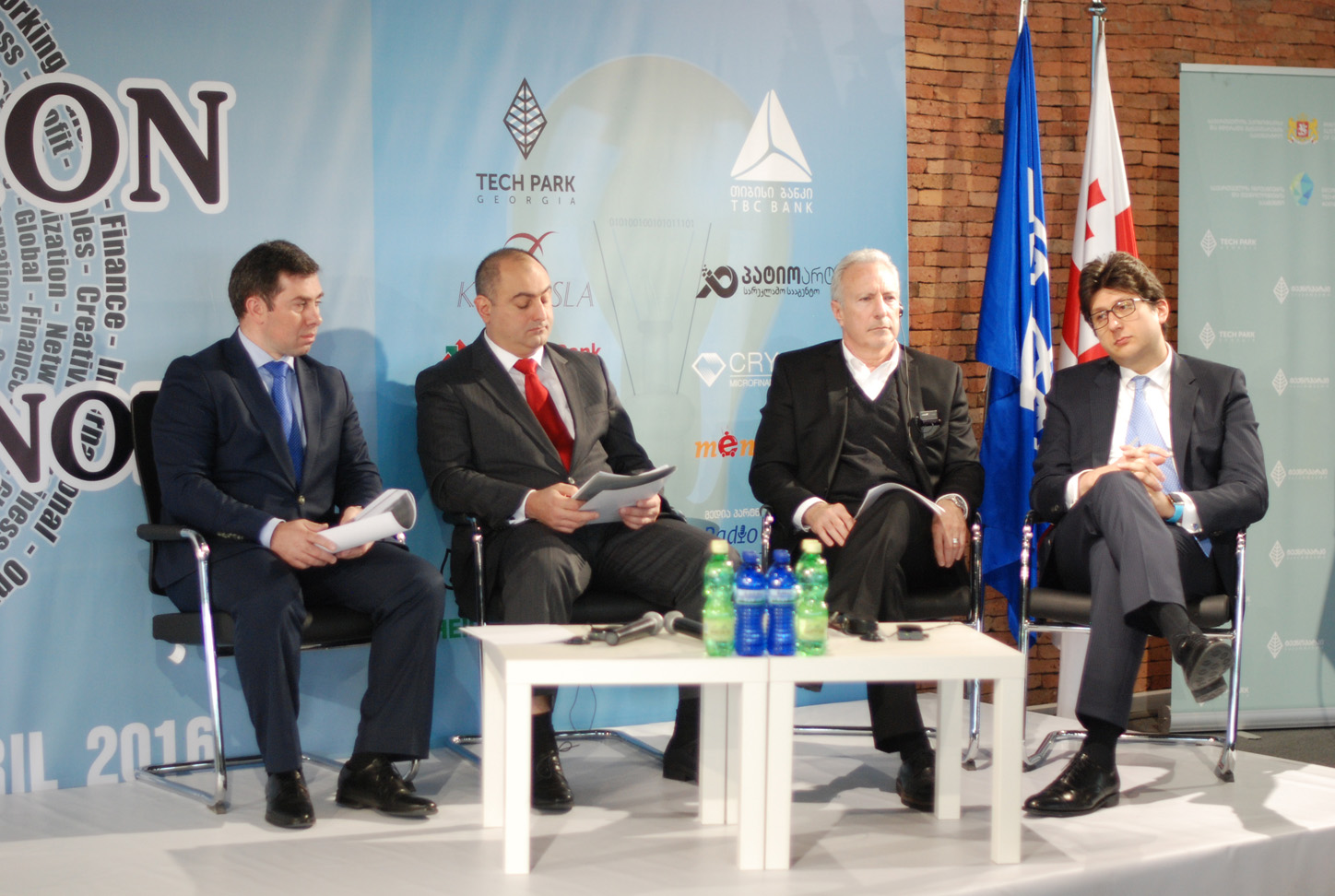
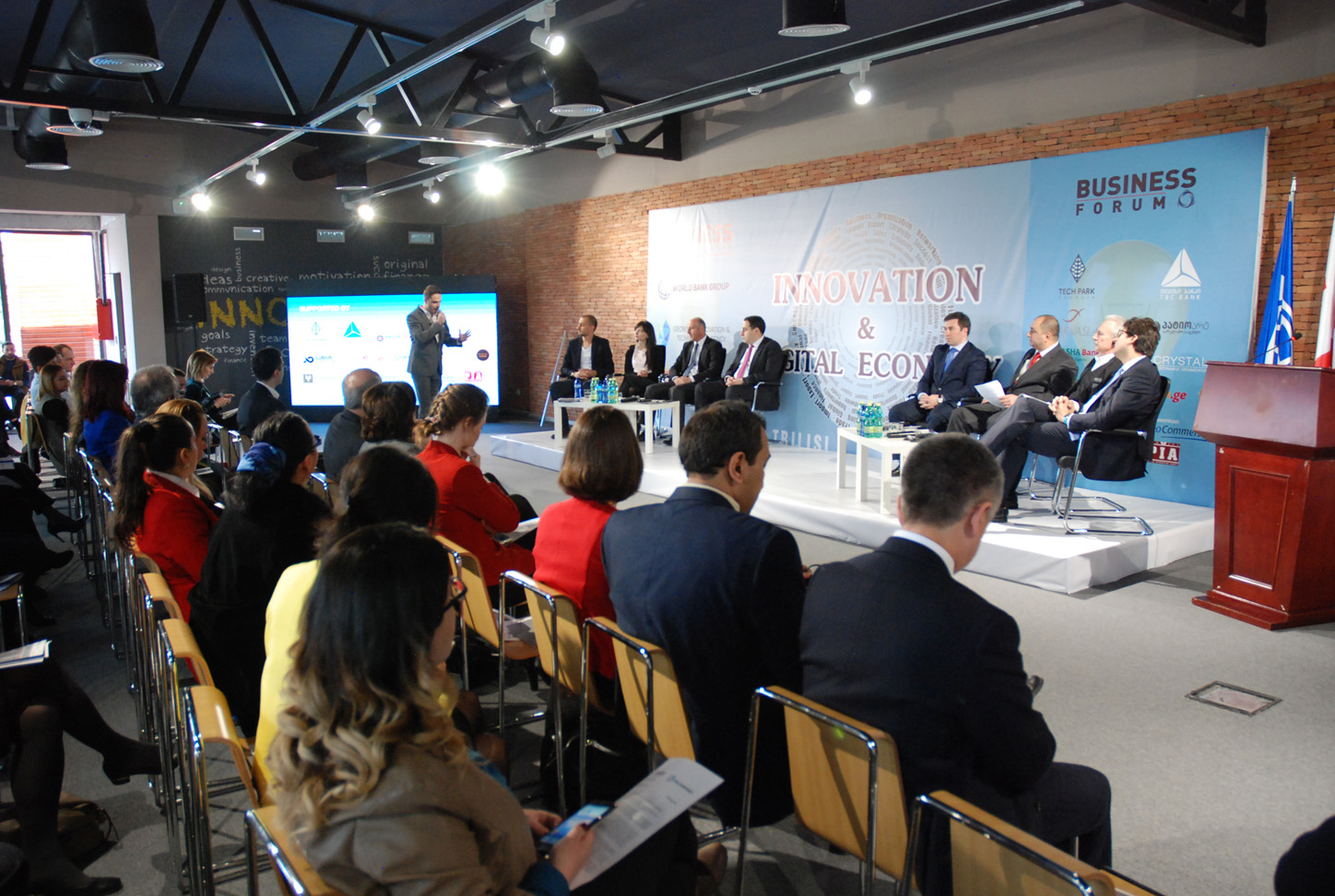
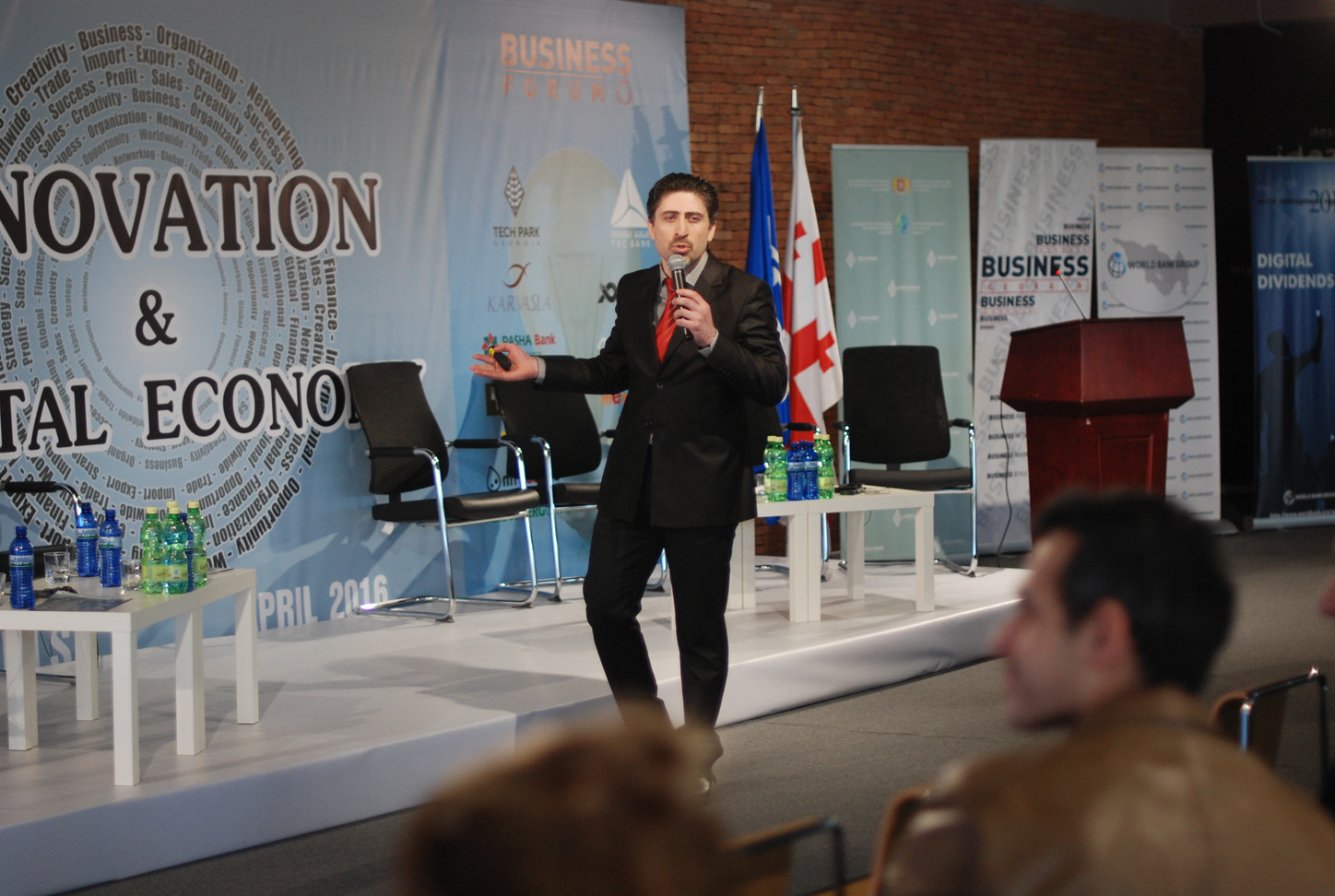
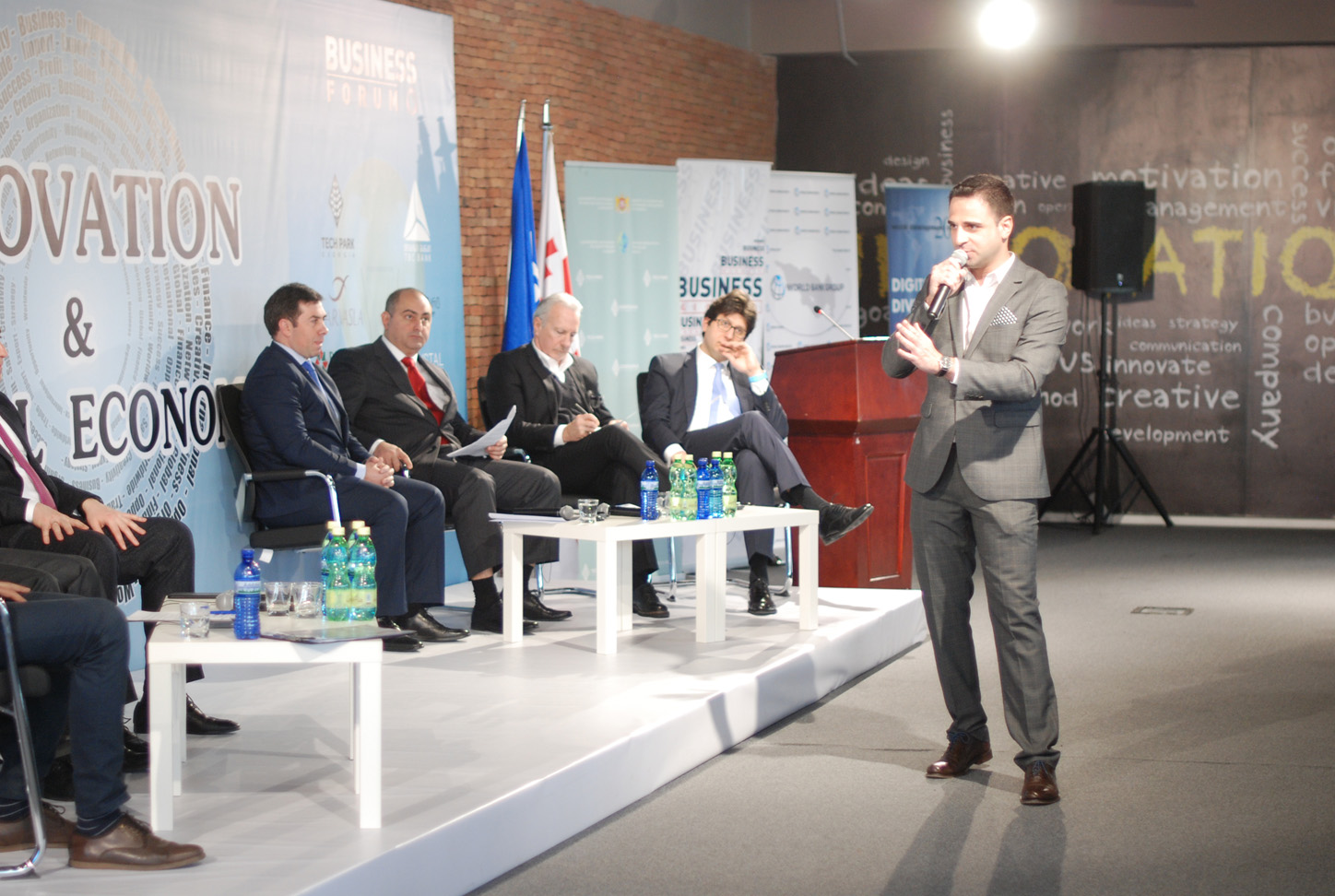
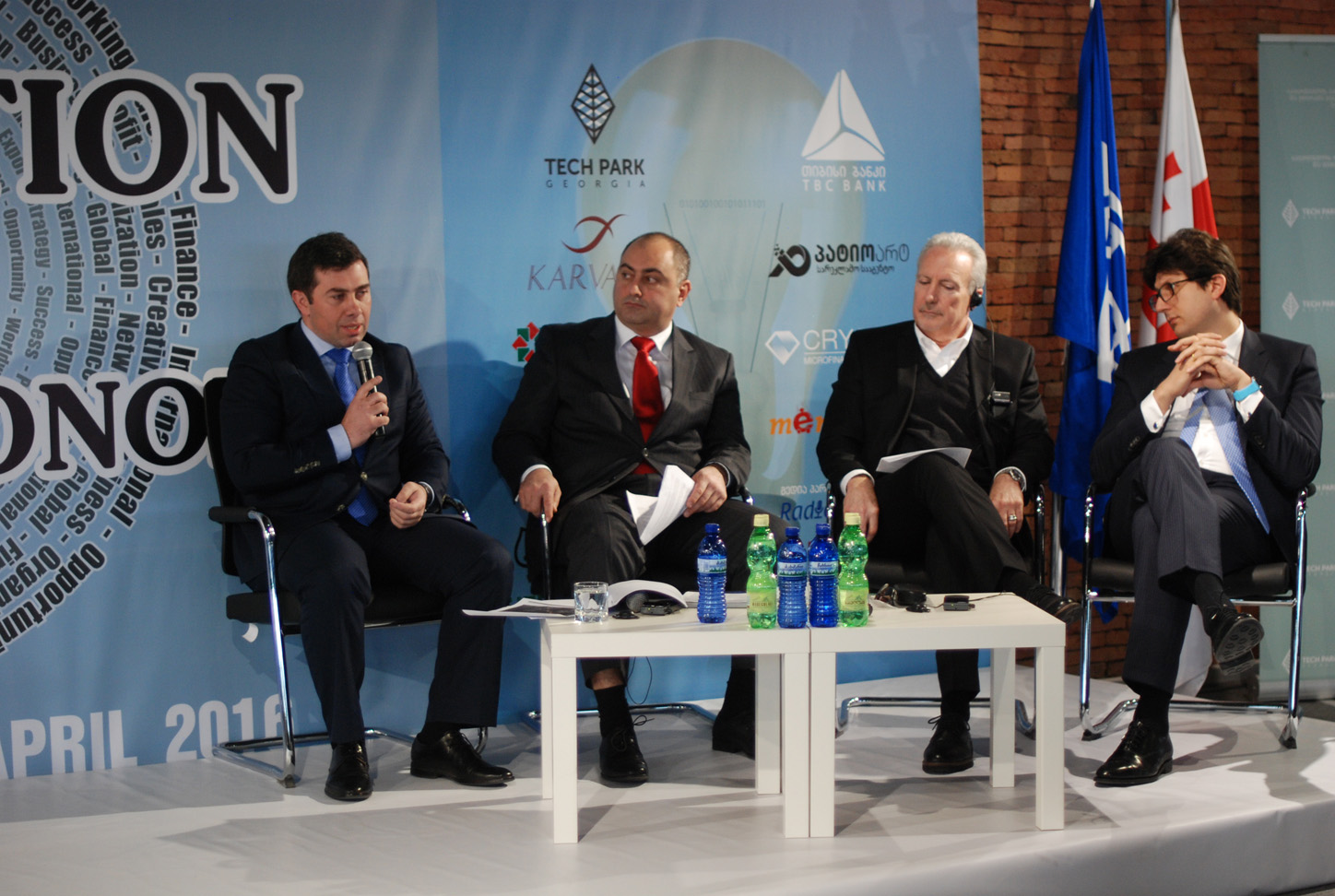
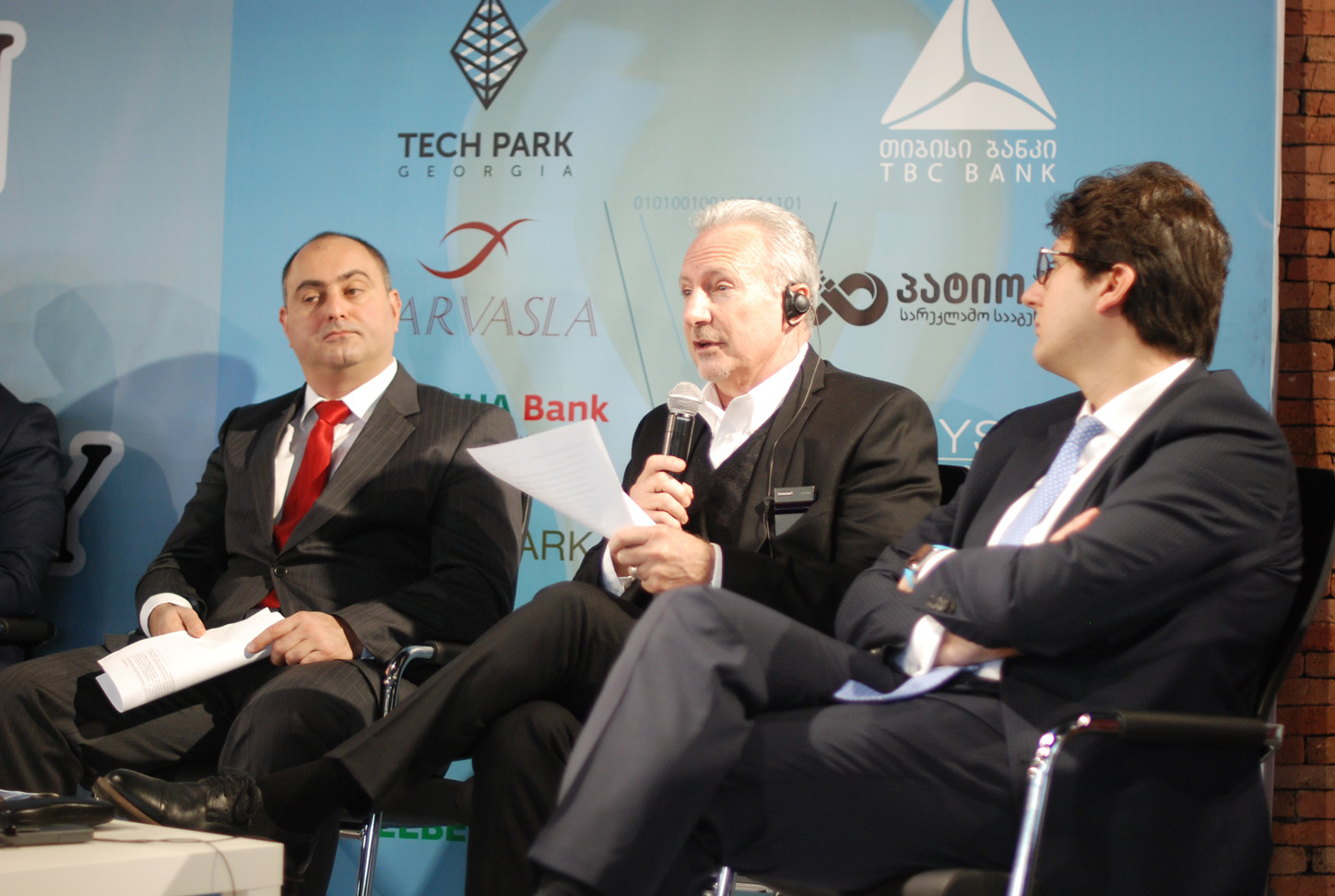
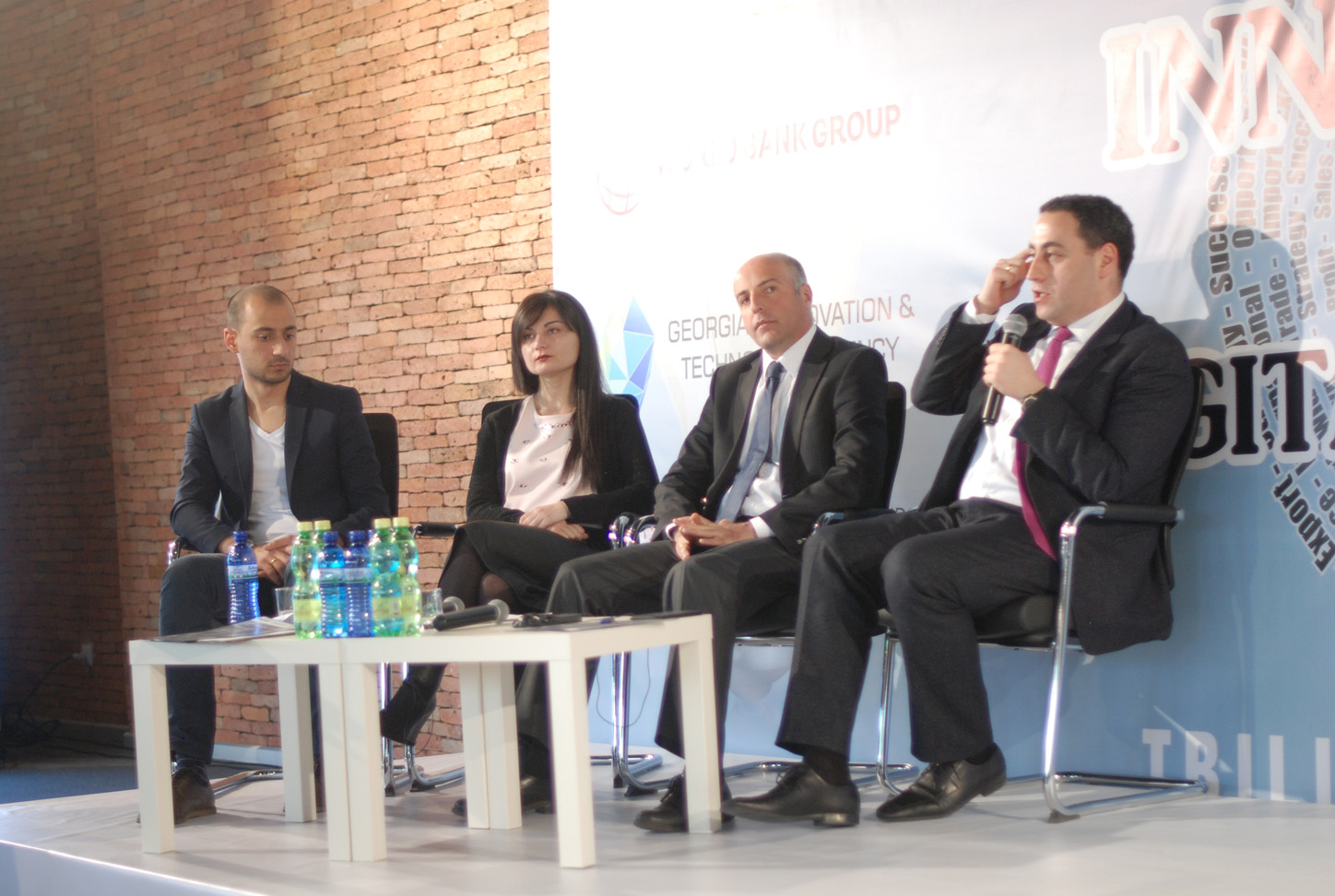
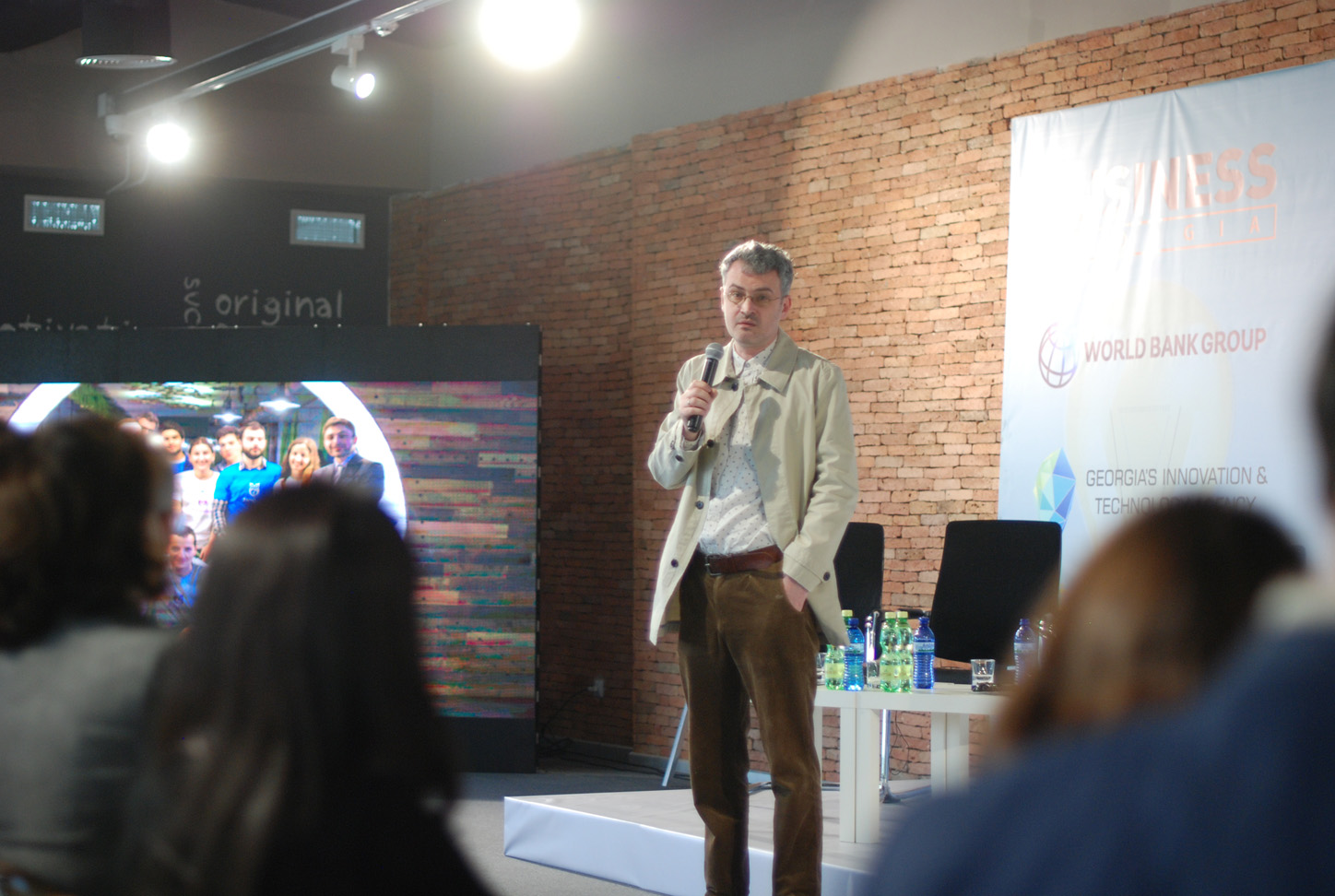
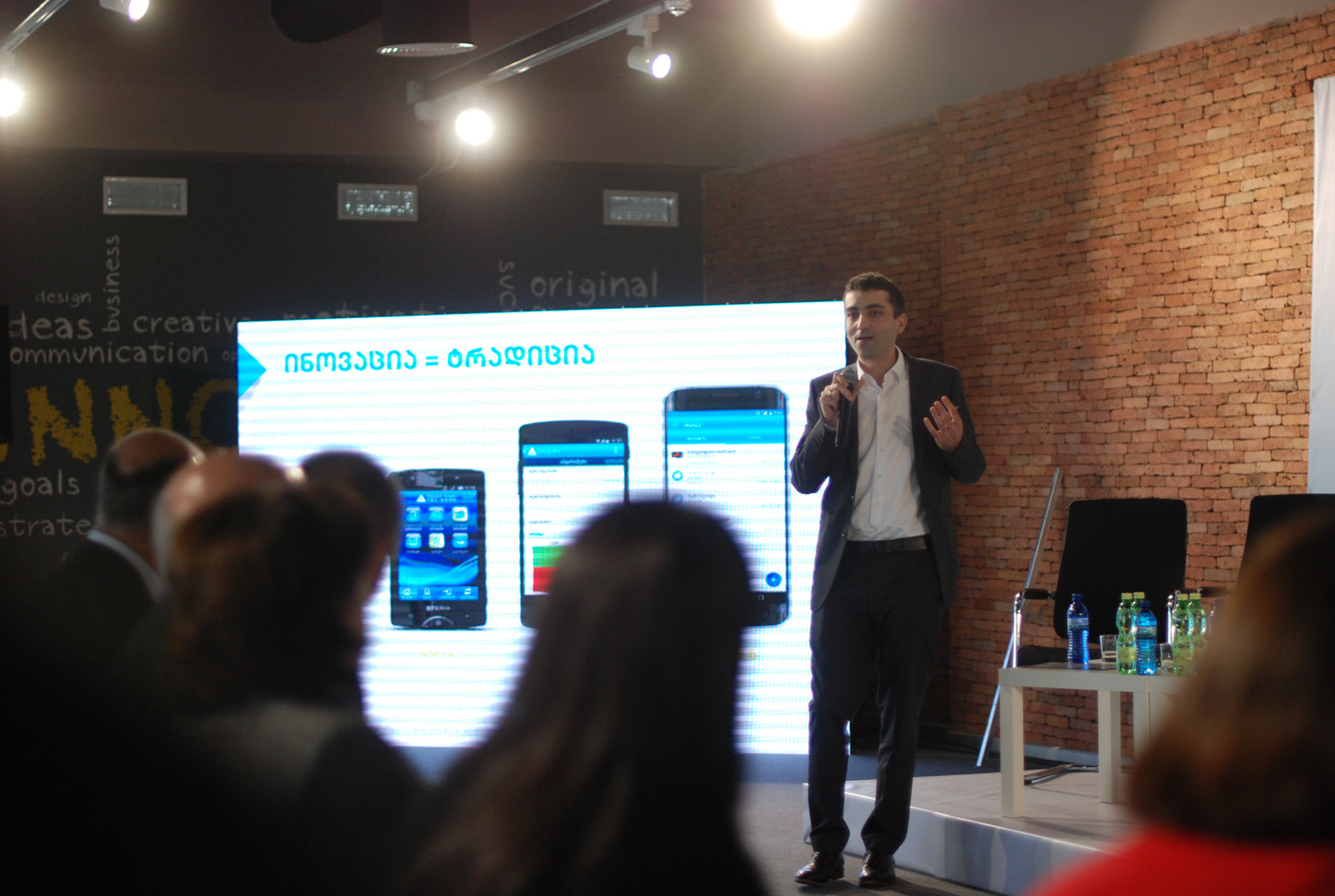
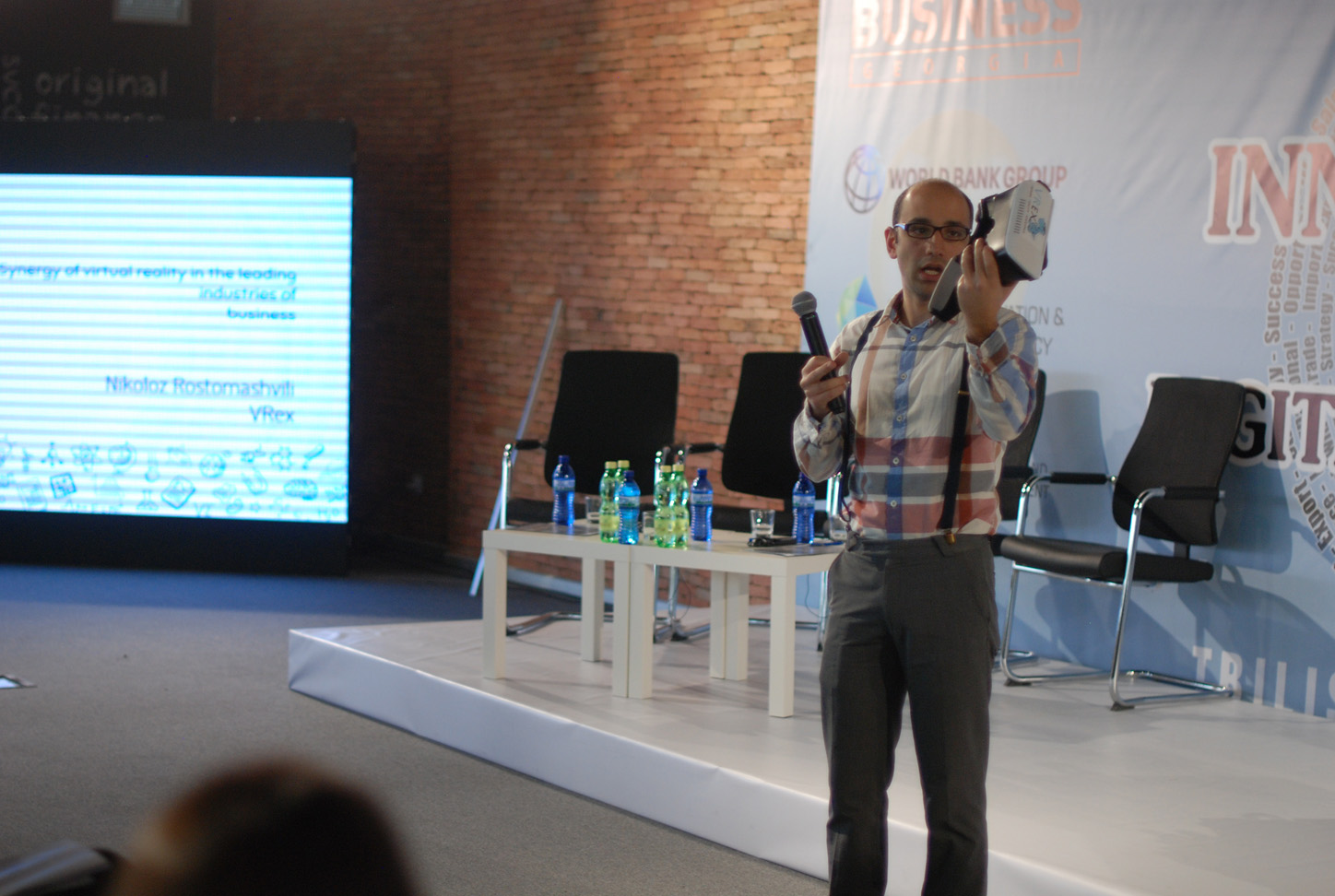
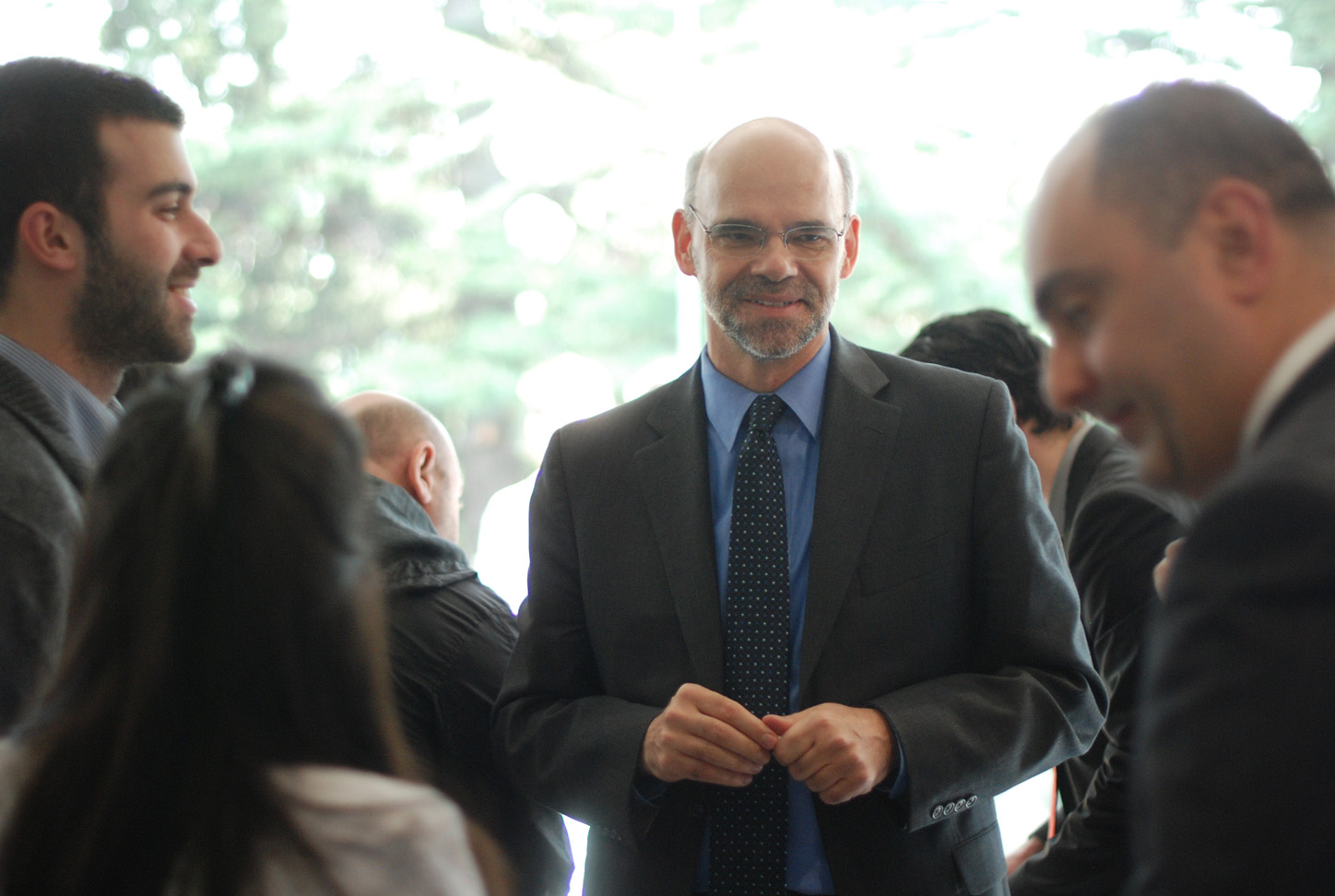
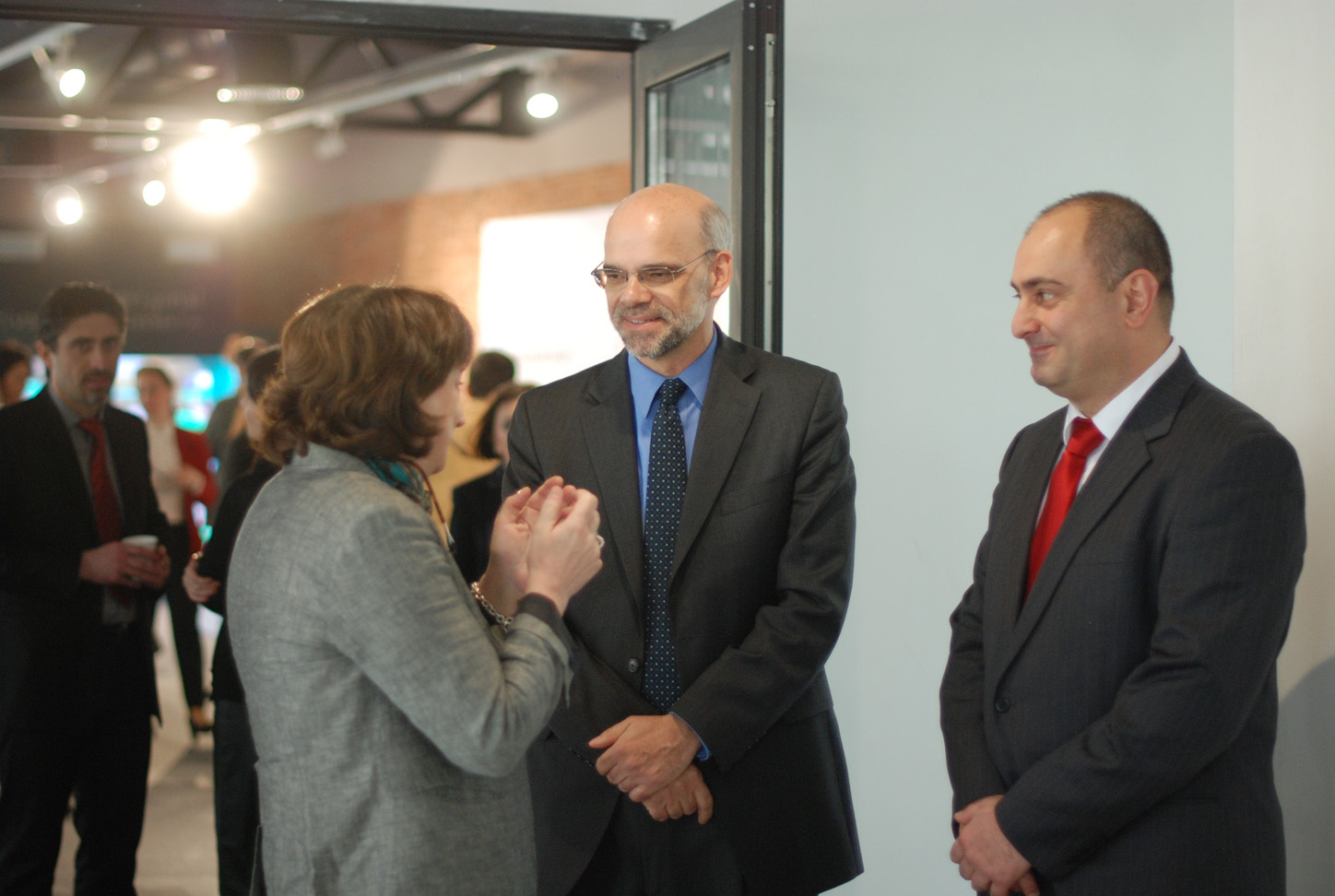
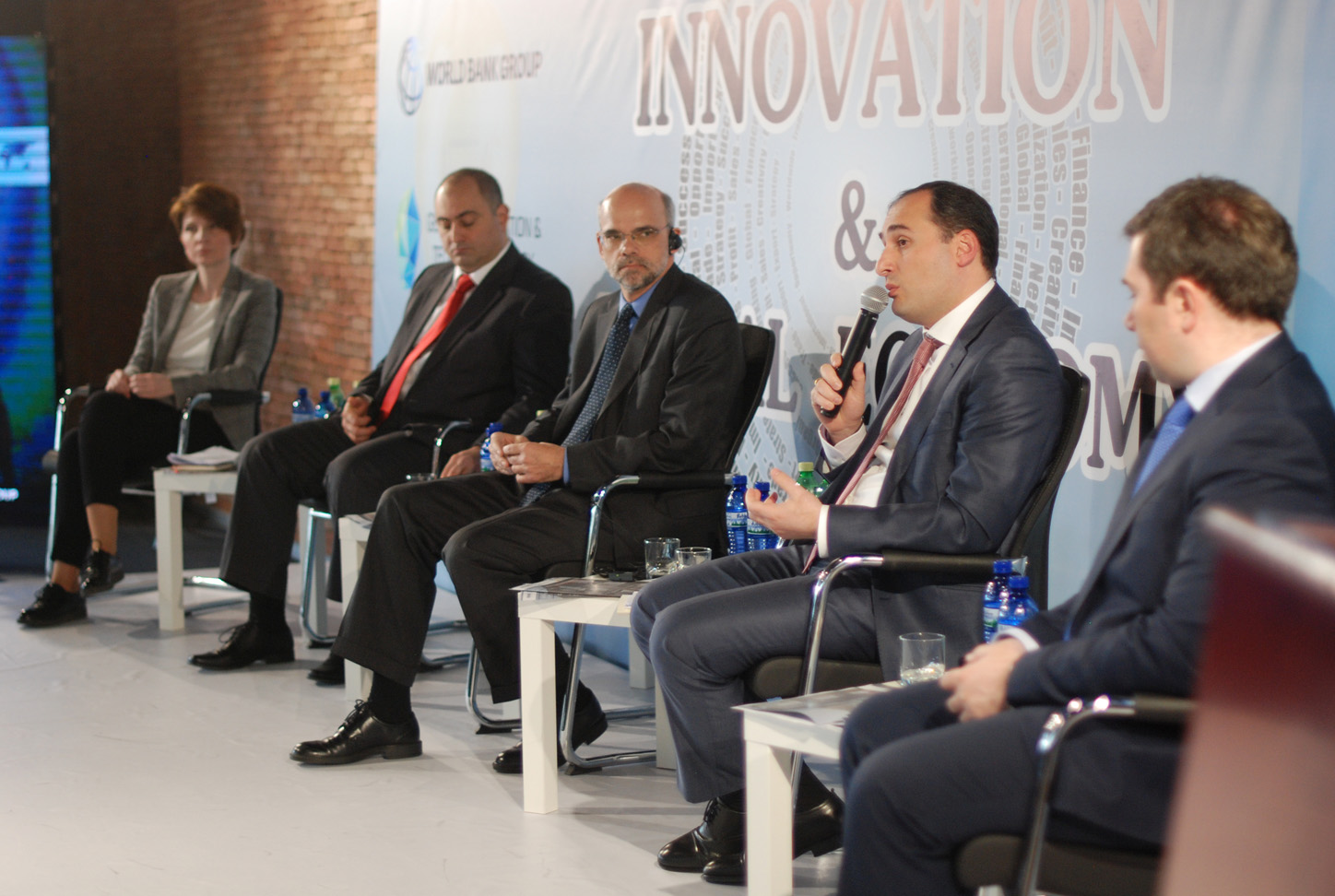
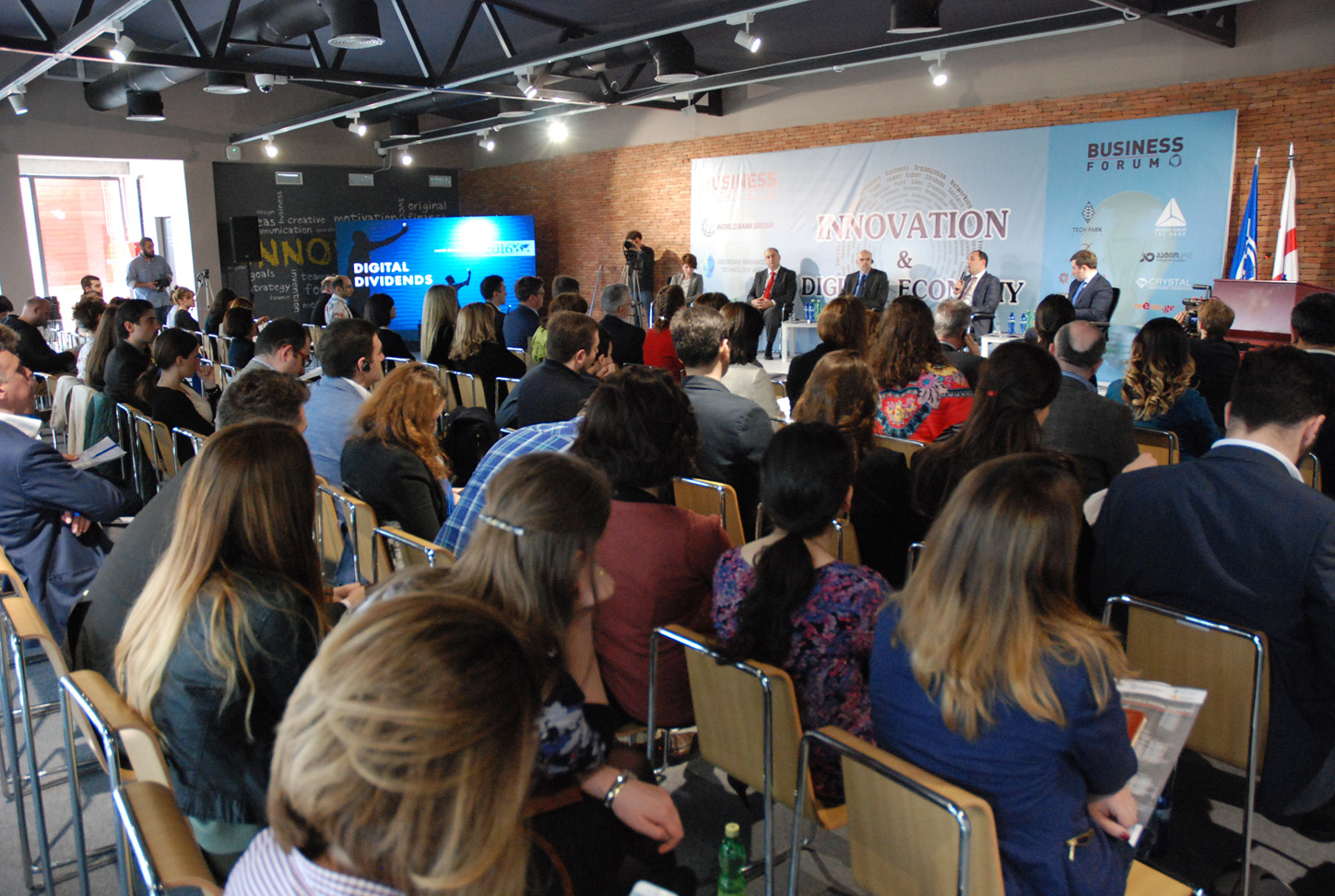
Tbilisi, April 8, 2016 — Business Georgia, in partnership with the World Bank and the Georgian Innovation and Technology Agency (GITA), co-hosted the Business Forum on Innovation and Digital Economy at the Tbilisi Technology Park. This event marked the official launch of the World Development Report 2016: Digital Dividends in Georgia. While this forum happened years ago, it laid the groundwork for a digital ecosystem that has since matured rapidly.

Georgia has continued to expand its innovation agenda through public-private partnerships, strategic programs, and tech-driven reforms. Recent fintech developments, AI initiatives, and startup accelerators demonstrate that the country has evolved into a hub for digital transformation in the region. (worldbank.org)


Supporting Innovation in the Georgian Business Environment

The forum brought together organizations shaping innovation policy and practice in Georgia. GITA, the Innovation and Development Fund, the Young Innovator’s Center, and other ecosystem partners shared their strategies, challenges, and long-term vision for promoting innovation.

Private companies also showcased innovation projects actively influencing the market. For example:

  • TBC Bank and Geocell presented fintech and telecom innovations

  • WISSOL Group shared smart energy and tech-driven solutions

  • Start-Up Nest and ACT Global highlighted emerging startups leveraging AI and digital platforms

This combination of private and public initiatives shows that innovation in Georgia is no longer experimental — it’s shaping actual business and economic outcomes. (nbg.gov.ge)


A Diverse and Engaged Audience

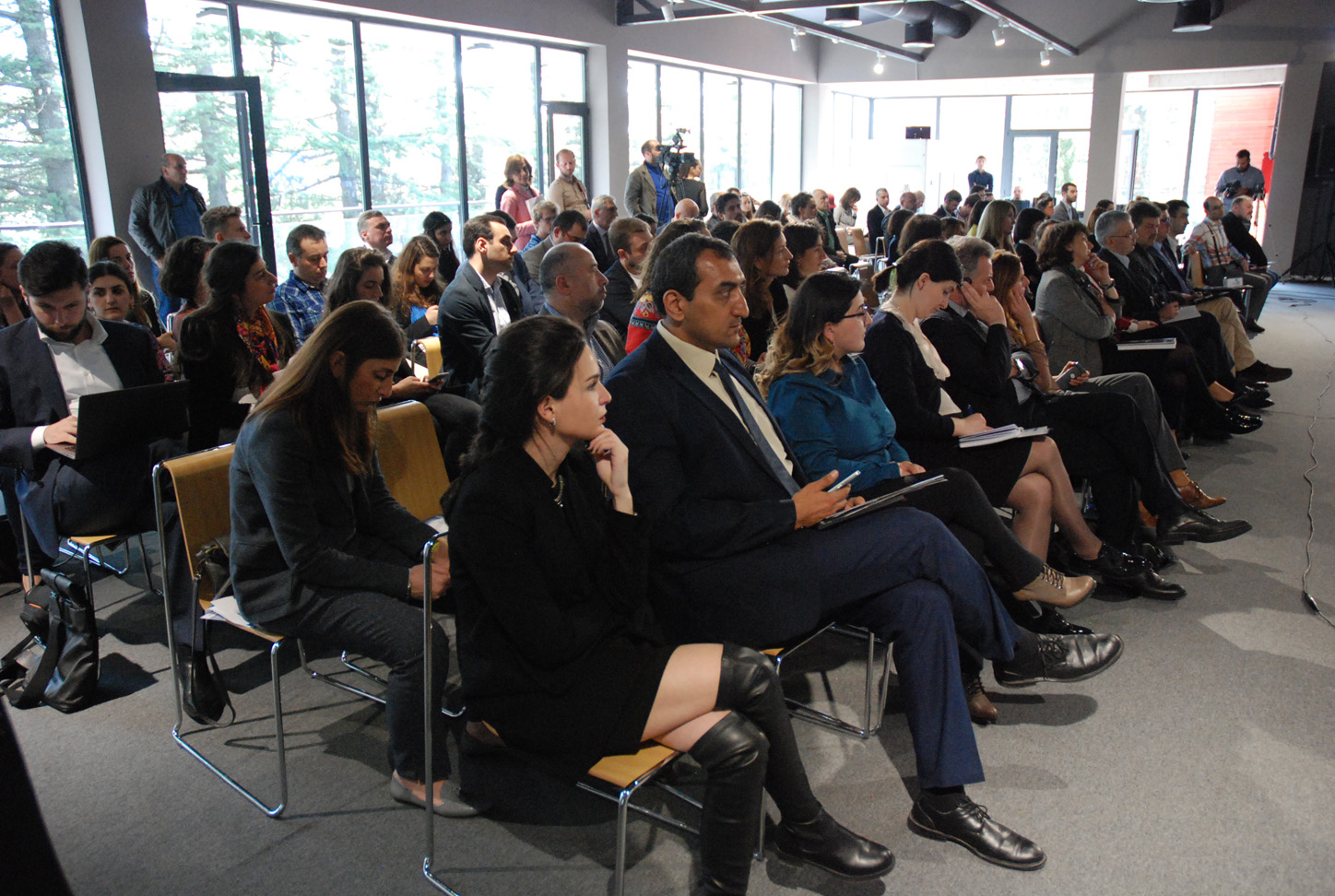
The forum attracted a broad and active audience, including:

  • Business leaders and entrepreneurs

  • Government institutions and policymakers

  • Civil society and donor organizations

  • International development institutions

  • Academia and research centers

  • Think tanks and innovation hubs

This cross-sector participation highlights the importance of the digital economy for Georgia’s economic growth and the collaborative approach taken by both public and private stakeholders.


World Development Report 2016: Digital Dividends

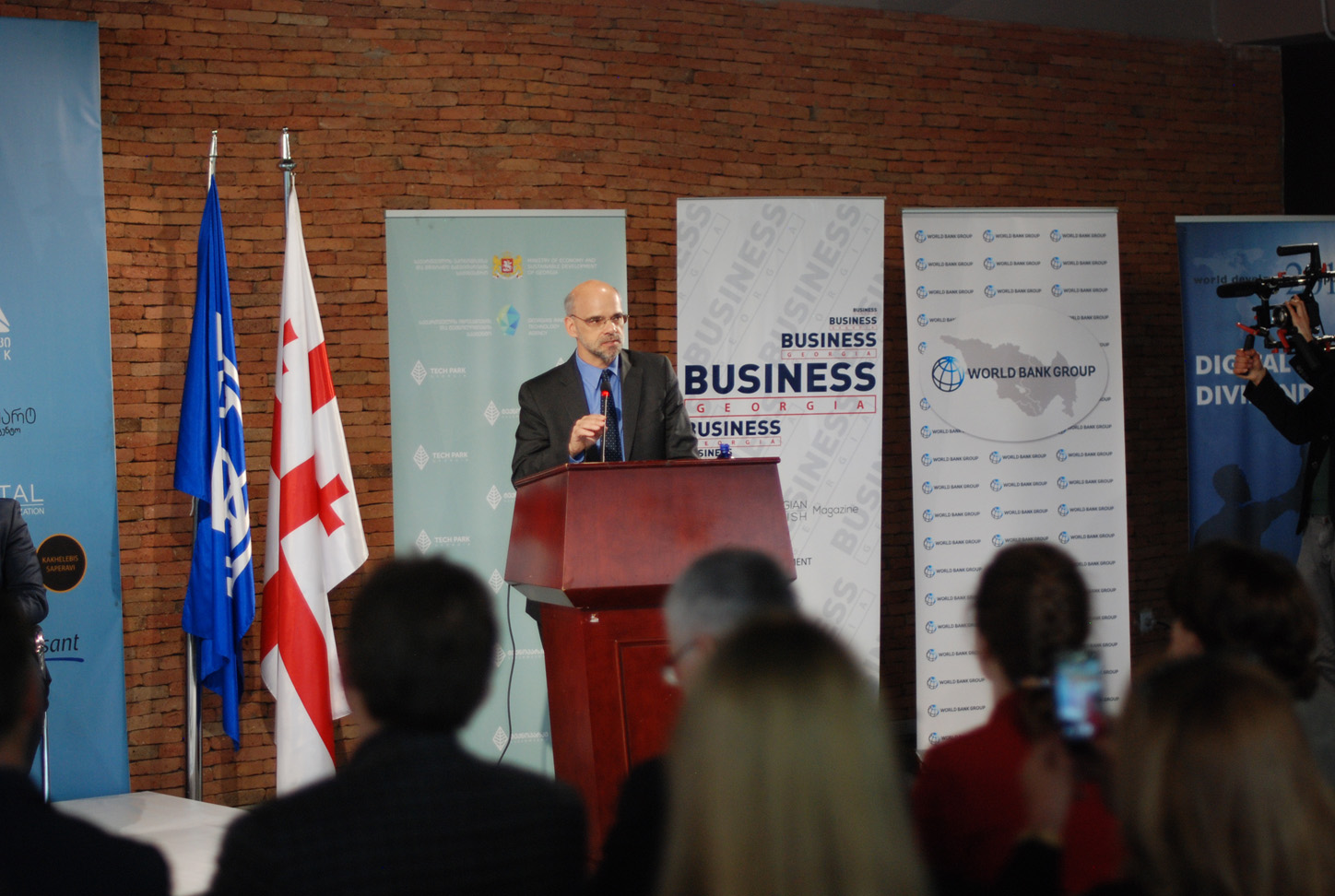
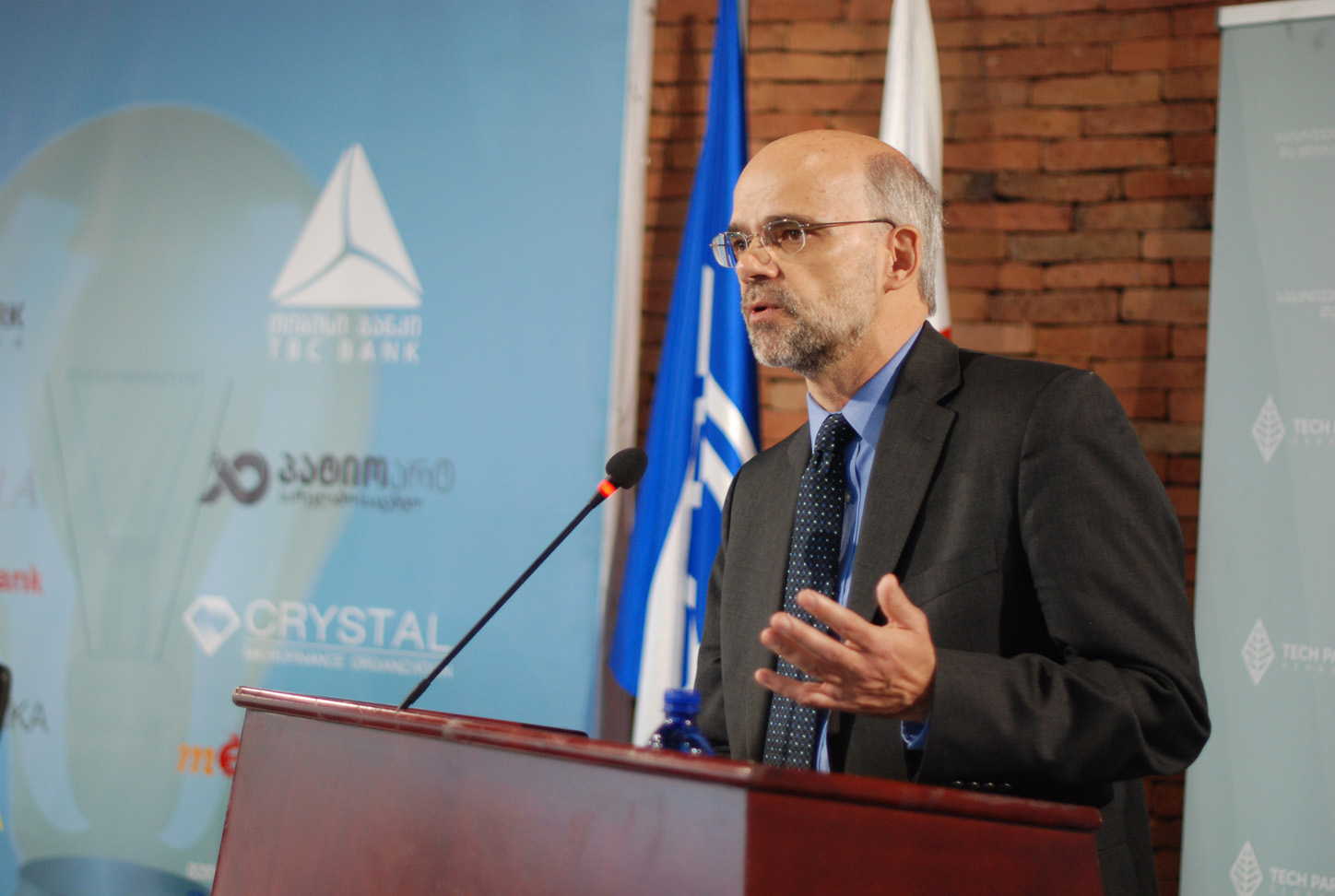
During the forum, Uwe Deichmann, Co-Director of the World Development Report 2016: Digital Dividends, presented key findings relevant to Georgia’s digital transformation. He emphasized that Georgia is well-positioned to benefit from digital technologies because of past reforms.

Critical steps already taken include:

  • Investments in digital infrastructure

  • Reduced business operating costs

  • Lower trade barriers

  • Simplified market entry for startups

Future gains, according to the report, depend on:

  • Strengthening competition authorities

  • Improving regulatory frameworks

  • Enabling fair competition across digital platforms

These measures collectively increase productivity and foster innovation in the Georgian economy. (worldbank.org)


Digital Transformation and Long-Term Growth

Digital technologies have the potential to reshape economies, societies, and public institutions. Yet, technology alone is not enough. Countries that combine digital tools with strong institutions, skills development, and inclusive policies are more likely to achieve sustainable growth.

For Georgia, continued investment in digital infrastructure and supportive economic reforms is essential. Key priorities include:

  • Expanding high-speed internet and connectivity nationwide

  • Scaling AI, fintech, and other tech-driven initiatives

  • Supporting startup incubators, accelerators, and R&D projects

  • Building human capital through education and digital skills programs (worldbank.org)

Despite progress, challenges remain, such as digital skills gaps and uneven access to modern technology. Addressing these issues will be critical if Georgia wants to fully harness the benefits of a digital economy.

Innovations & Digital Economy Innovations & Digital Economy Innovations & Digital Economy DSC_0065 Innovations & Digital Economy

Innovations & Digital Economy Innovations & Digital Economy Innovations & Digital Economy Innovations & Digital Economy Innovations & Digital Economy

Innovations & Digital Economy Innovations & Digital Economy DSC_0257 DSC_0260 DSC_0304

Innovations & Digital Economy Innovations & Digital Economy Innovations & Digital Economy Innovations & Digital Economy

ინოვაციები და ციფრული ეკონომიკა საქართველოში

თბილისი, 2016 წლის 8 აპრილი — „ბიზნეს ჯორჯიამ“, მსოფლიო ბანკთან და საქართველოს ინოვაციების და ტექნოლოგიების სააგენტოსთან (GITA) პარტნიორობით, თბილისის ტექნოლოგიურ პარკში უმასპინძლა ბიზნეს ფორუმს ინოვაციებისა და ციფრული ეკონომიკის შესახებ. ამ ღონისძიებამ საფუძველი ჩაუყარა მსოფლიო განვითარების 2016 წლის ანგარიშის: „ციფრული დივიდენდები საქართველოში“ ოფიციალურ წარდგენას. მიუხედავად იმისა, რომ ეს ფორუმი წლების წინ ჩატარდა, მან შექმნა საფუძველი ციფრული ეკოსისტემისთვის, რომელიც მას შემდეგ სწრაფად განვითარდა.

საქართველო აგრძელებს ინოვაციური დღის წესრიგის გაფართოებას საჯარო-კერძო პარტნიორობის, სტრატეგიული პროგრამებისა და ტექნოლოგიებზე დაფუძნებული რეფორმების მეშვეობით. ბოლო დროს ფინტექ (fintech) განვითარება, ხელოვნური ინტელექტის (AI) ინიციატივები და სტარტაპ აქსელერატორები მოწმობს, რომ ქვეყანა რეგიონში ციფრული ტრანსფორმაციის ჰაბად ჩამოყალიბდა. (worldbank.org)

ინოვაციების მხარდაჭერა საქართველოს ბიზნეს გარემოში

ფორუმმა თავი მოუყარა ორგანიზაციებს, რომლებიც საქართველოში ინოვაციების პოლიტიკასა და პრაქტიკას განსაზღვრავენ. GITA-მ, ინოვაციებისა და განვითარების ფონდმა, ახალგაზრდა ინოვატორთა ცენტრმა და ეკოსისტემის სხვა პარტნიორებმა გააზიარეს თავიანთი სტრატეგიები, გამოწვევები და გრძელვადიანი ხედვა ინოვაციების ხელშეწყობისთვის.

კერძო კომპანიებმა ასევე წარმოადგინეს ინოვაციური პროექტები, რომლებიც აქტიურად ახდენენ გავლენას ბაზარზე. მაგალითად:

  • თიბისი ბანკმა (TBC Bank) და ჯეოსელმა (Geocell) წარადგინეს ფინტექ და სატელეკომუნიკაციო ინოვაციები.

  • ვისოლ ჯგუფმა (WISSOL Group) გააზიარა სმარტ-ენერგიისა და ტექნოლოგიებზე დაფუძნებული გადაწყვეტილებები.

  • Start-Up Nest-მა და ACT Global-მა ხაზი გაუსვეს ახალბედა სტარტაპებს, რომლებიც იყენებენ ხელოვნურ ინტელექტს და ციფრულ პლატფორმებს.

მრავალფეროვანი და ჩართული აუდიტორია

ფორუმმა მიიპყრო ფართო აუდიტორიის ყურადღება, მათ შორის:

  • ბიზნეს ლიდერები და მეწარმეები;

  • სახელმწიფო ინსტიტუტები და პოლიტიკის შემქმნელები;

  • სამოქალაქო საზოგადოება და დონორი ორგანიზაციები;

  • საერთაშორისო განვითარების ინსტიტუტები;

  • აკადემიური წრეები და კვლევითი ცენტრები;

  • ანალიტიკური ცენტრები (Think tanks) და ინოვაციების ჰაბები.


მსოფლიო განვითარების ანგარიში 2016: ციფრული დივიდენდები

ფორუმის განმავლობაში, უვე დაიხმანმა, მსოფლიო განვითარების 2016 წლის ანგარიშის თანადირექტორმა, წარადგინა საქართველოს ციფრული ტრანსფორმაციისთვის რელევანტური ძირითადი მიგნებები. მან ხაზი გაუსვა, რომ საქართველო კარგადაა პოზიციონირებული ციფრული ტექნოლოგიებით სარგებლობისთვის წარსული რეფორმების წყალობით.

უკვე გადადგმული კრიტიკული ნაბიჯები მოიცავს:

  1. ინვესტიციებს ციფრულ ინფრასტრუქტურაში;

  2. ბიზნესის ოპერაციული ხარჯების შემცირებას;

  3. სავაჭრო ბარიერების შემცირებას;

  4. სტარტაპებისთვის ბაზარზე შესვლის გამარტივებას.


ძირითადი სექტორები, რომლებიც წარმართავენ ინოვაციას საქართველოში

  • ენერგეტიკა: საქართველოში 26,000-ზე მეტი მდინარეა, რაც ჰიდროელექტროენერგიის დიდ პოტენციალს იძლევა.

  • ფარმაცევტიკა: ექსპორტი ბოლო ექვსი წლის განმავლობაში ყოველწლიურად დაახლოებით 47%-ით იზრდებოდა.

  • წარმოება და მრეწველობა: საქართველო მოქმედებს როგორც რეგიონული ჰაბი, რომელიც აკავშირებს შავ ზღვას, სამხრეთ კავკასიასა და ცენტრალურ აზიას. თავისუფალი ინდუსტრიული ზონები (FIZ) იძლევა ექსპორტის საშუალებას მინიმალური საგადასახადო ტვირთით.

  • სოფლის მეურნეობა: საქართველოს სამუშაო ძალის 53%-ზე მეტი დასაქმებულია სოფლის მეურნეობაში. ძირითადი კულტურებია: ხორბალი, სიმინდი, ქერი, მზესუმზირა, ჩაი, კარტოფილი, ხილი და ბოსტნეული.