
Georgia Gold Export: From Ancient Golden Fleece to $639M in Modern Trade
Georgia gold export carries a story that stretches back thousands of years. Georgia is considered one of the oldest homelands of metal processing in the world. From the Copper-Bronze Age onward, metal became the foundation of jewelry making — particularly in noble metals such as gold and silver. Furthermore, this ancient tradition has not faded. Today, Georgia remains a significant gold-producing and exporting country, with the precious metal ranking 10th on the country’s top export products list.
The Golden Fleece: Georgia’s Ancient Gold Heritage
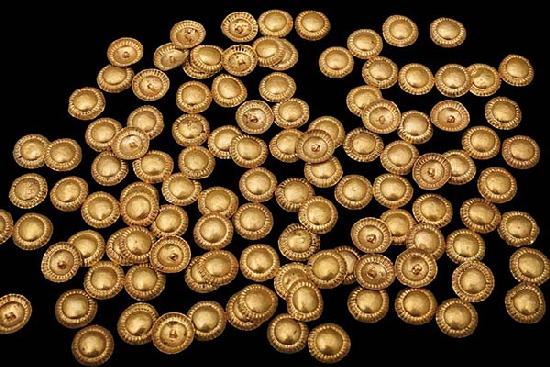
Examples of early Georgian goldsmith work were discovered during archaeological excavations, dating back to the 8th–6th centuries BCE. These artifacts were found on the territory of the ancient kingdom of Colkheti, known in the ancient world as Colchis. Burial mounds of ancient nobles at the sites of Vani and Sairkhe help explain why Colkheti was referred to alongside Mikena, Sardi, and Babylon in Greco-Roman sources — and why the legend of the Golden Fleece became so closely associated with this land.
Georgia Gold Export Today: Key Figures
Georgia’s gold export has remained economically significant in modern times. Over the last 7 years, Georgia exported gold worth a total of USD 639,923,500. In 2017 alone, the value of exported gold reached USD 64,656,600.
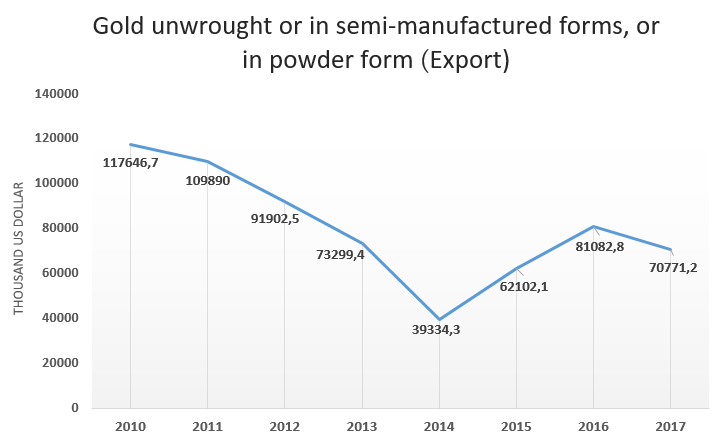
The chart below illustrates the rates of exported gold — in unwrought, semi-manufactured, and powder form — from Georgia between 2010 and 2017, with values presented in thousands of US dollars:
- 2010 recorded the highest export rate of the period, at approximately 117,647 thousand USD
- Rates then fell dramatically, reaching a low of approximately 39,334 thousand USD
- 2015 saw a partial recovery, with rates climbing to nearly 81,083 thousand USD
- 2017 recorded a decline to approximately 700,771 thousand USD
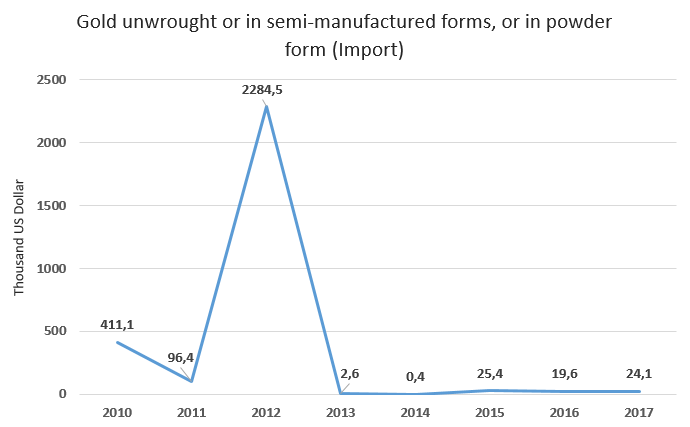
On the import side, overall gold import reached its peak in 2012 at 2,285 thousand USD, then fell dramatically in 2013 to just 2.6 thousand USD, before stabilizing through to 2017 at 24.1 thousand USD.
Where Georgia’s Gold Comes From
Georgia has several active gold mining locations. The primary sites where gold can be mined include:
- Madneuli — a key mining area in the Bolnisi region
- Kazreti — a small town with significant mining activity
- Ieli village, Svaneti — another identified gold-bearing location
Rich Metals Group (RMG) is one of the largest enterprises in Georgia and the wider Caucasus region engaged in mining activities. Operating in the Bolnisi region, the group comprises JSC RMG Copper and LTD RMG Gold, which produce copper concentrate and gold Doré alloys through the mining and processing of copper and gold-bearing ores. Currently, approximately 3,000 employees work at the company, of whom 90% are local residents — making RMG a significant contributor to both the national export economy and local employment.
A Legacy That Continues
Georgia’s gold story is one of remarkable continuity — from ancient goldsmiths crafting treasures in Colchis to modern mining operations exporting hundreds of millions of dollars worth of gold to global markets. Moreover, with established infrastructure, active mining sites, and a strong institutional player in RMG, the sector retains meaningful potential for continued growth and investment.
For more on Georgia’s export economy and investment opportunities in the mining sector, explore our Investment Guide and Business Insights blog on Business Georgia.
You can also find the latest trade data at the National Statistics Office of Georgia.
საქართველოს ოქროს ექსპორტი: ოქროს საწმისიდან $639 მლნ-მდე თანამედროვე ვაჭრობაში
საქართველოს ოქროს ექსპორტს ათასწლეულების ისტორია უდევს საფუძვლად. საქართველო მსოფლიოში ლითონის დამუშავების ერთ-ერთ უძველეს სამშობლოდ ითვლება. სპილენძ-ბრინჯაოს ხანიდან ლითონი სამკაულების წარმოების საფუძველი გახდა — განსაკუთრებით კეთილშობილური ლითონებისა, როგორიცაა ოქრო და ვერცხლი. გარდა ამისა, ეს უძველესი ტრადიცია დღემდე გრძელდება. საქართველო კვლავ მნიშვნელოვანი ოქროს მწარმოებელი და ექსპორტიორი ქვეყანაა — ძვირფასი ლითონი საქართველოს საექსპორტო პროდუქტების სიაში მე-10 ადგილს იკავებს.
ოქროს საწმისი: საქართველოს უძველესი ოქროს მემკვიდრეობა
ადრეული ქართველი ოქრომჭედლების ნამუშევრების მაგალითები არქეოლოგიური გათხრების დროს აღმოაჩინეს. ეს არტეფაქტები ძვ.წ. VIII–VI საუკუნეებს განეკუთვნება და კოლხეთის სამეფოს ტერიტორიაზე — ანტიკურ სამყაროში კოლხიდის სახელით ცნობილ მხარეში — იქნა ნაპოვნი. ვანისა და საირხეს ძველი დიდებულების სამარხეული ბორცვები განმარტავს, თუ რატომ იხსენიებდნენ კოლხეთს ბერძნულ-რომაულ წყაროებში ოქროს საწმისის მიწად — მიქენის, სარდისა და ბაბილონის გვერდით.
საქართველოს ოქროს ექსპორტი დღეს: ძირითადი მაჩვენებლები
ბოლო 7 წლის განმავლობაში საქართველომ სულ 639,923,500 აშშ დოლარის ღირებულების ოქრო ექსპორტზე გაიტანა. 2017 წელს ექსპორტირებული ოქროს ღირებულება 64,656,600 აშშ დოლარს შეადგენდა.
ქვემოთ მოცემულია საქართველოდან ოქროს ექსპორტის მაჩვენებლები 2010-დან 2017 წლამდე (ათასი აშშ დოლარი):
- 2010 წელს დაფიქსირდა პერიოდის ყველაზე მაღალი მაჩვენებელი — დაახლოებით 117,647 ათასი აშშ დოლარი
- შემდგომ მაჩვენებლები მკვეთრად შემცირდა დაახლოებით 39,334 ათას აშშ დოლარამდე
- 2015 წელს ნაწილობრივი აღდგენა მოხდა — მაჩვენებელი თითქმის 81,083 ათას აშშ დოლარამდე გაიზარდა
- 2017 წელს ოქროს ექსპორტი 700,771 ათას აშშ დოლარამდე შემცირდა
იმპორტის მხრივ, ოქროს შემოტანამ პიკს 2012 წელს მიაღწია — 2,285 ათასი აშშ დოლარი, შემდეგ კი 2013 წელს მკვეთრად დაეცა 2.6 ათას აშშ დოლარამდე და 2017 წლამდე სტაბილური დარჩა — 24.1 ათასი აშშ დოლარი.
სად მოიპოვება საქართველოს ოქრო
საქართველოში ოქროს მოპოვების რამდენიმე აქტიური ლოკაცია არსებობს:
- მადნეული — ბოლნისის რეგიონის მთავარი სამთო-მოპოვების ადგილი
- კაზრეთი — მნიშვნელოვანი სამთო საქმიანობის მქონე პატარა ქალაქი
- იელი სოფელი, სვანეთი — კიდევ ერთი გამოვლენილი ოქროს შემცველი ლოკაცია
Rich Metals Group (RMG) საქართველოსა და კავკასიის რეგიონის ერთ-ერთი უმსხვილესი სამთო-მოპოვების საწარმოა. კომპანია ბოლნისის რეგიონში ოპერირებს და მოიცავს JSC RMG Copper-სა და LTD RMG Gold-ს, რომლებიც სპილენძის კონცენტრატსა და ოქროს Doré შენადნობს აწარმოებენ. დღეისათვის კომპანიაში დაახლოებით 3,000 თანამშრომელი მუშაობს, რომელთა 90% ადგილობრივი მოსახლეა.
მემკვიდრეობა, რომელიც გრძელდება
საქართველოს ოქროს ისტორია განსაკუთრებული უწყვეტობით გამოირჩევა — კოლხეთის უძველესი ოქრომჭედლებიდან დღევანდელ სამთო-სამრეწველო კომპლექსებამდე. გარდა ამისა, დამკვიდრებული ინფრასტრუქტურისა და RMG-ს სახით ძლიერი ინსტიტუციური მოთამაშის პირობებში, სექტორი ზრდისა და ინვესტიციების მოზიდვის მნიშვნელოვან პოტენციალს ინარჩუნებს.
საქართველოს სამთო სექტორში საინვესტიციო შესაძლებლობების შესახებ მეტი ინფორმაციისთვის იხილეთ ჩვენი საინვესტიციო გიდი და Business Insights ბლოგი.