Agribusiness Georgia: Wine, DCFTA and a Sector Full of Untapped Potential
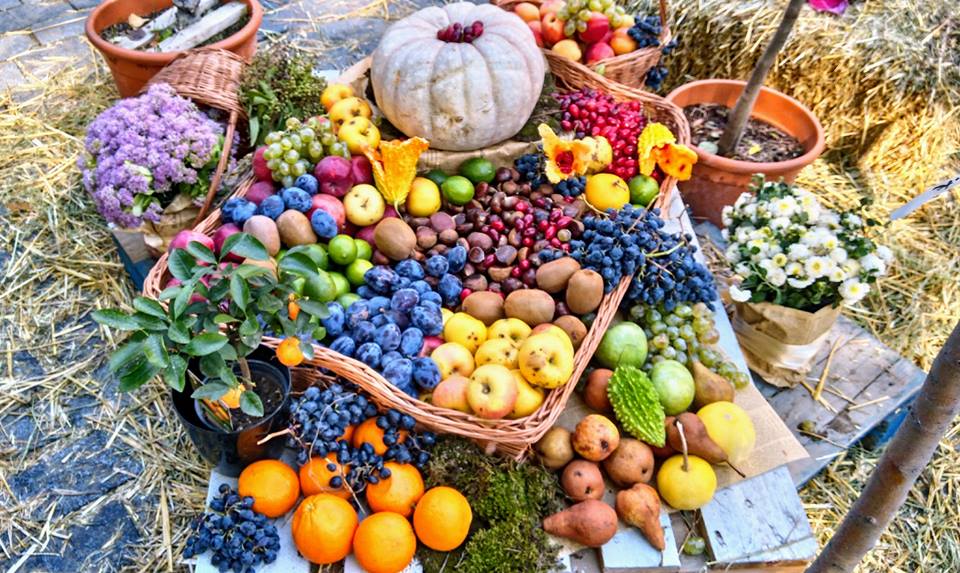
Agribusiness Georgia is built on deep cultural roots and exceptional natural advantages. Agricultural traditions form a core part of Georgian cultural heritage, and the country’s favorable climate and fertile soil make agriculture one of its most productive economic sectors. Georgia produces a wide variety of high-value agricultural products, including wine, nuts, citrus fruits, peaches, and apricots. Furthermore, the sector holds significant untapped potential for both local producers and international investors.
DCFTA: Opening European Markets to Georgian Agriculture
Since signing the Deep and Comprehensive Free Trade Area (DCFTA) agreement with the European Union in 2014, Georgia has been positioned to produce agricultural products that meet required EU safety and security standards. This development makes the country increasingly attractive to European market investors. Moreover, the DCFTA grants duty-free access to 900 million foreign markets, while domestic consumption on the local market continues to rise — creating a dual opportunity for businesses entering Georgian agribusiness.
Wine: Georgia’s Most Celebrated Agricultural Export
Georgia places strong emphasis on labor-intensive crops, particularly grapes and tea. In 2017, following a three-year study conducted by experts from seven countries, Georgia was officially acknowledged as the cradle of wine. As a result, the country was invited to host a solo exhibition illustrating its oldest traditional viticulture and winemaking in Bordeaux, Paris.
Wine export growth continues to generate positive prospects for the sector. According to data published by the National Wine Agency of Georgia, in January and February 2018 alone, 10.8 million bottles of wine were exported to 38 countries worldwide — a figure 23% higher than the same period in the previous year.
Tea: A Competitive but Conservative Market
Tea production is another significant area of Georgian agribusiness. However, the sector faces fierce competition. Strong local manufacturers have successfully prevented international players from dominating the market entirely. Nevertheless, as Euromonitor International reveals, Georgian tea consumers remain largely conservative — and most brands continue to produce only black or green tea, limiting diversification within the segment.
Stockbreeding: Strong Resources, Weak Support
According to the Strategy for Agricultural Development in Georgia for 2015–2020, approximately 25% of Georgia’s total land area is classified as permanent pastureland. Around 70–80% of pasturing is self-regulated among local and nomadic pasture users, providing a solid natural foundation for stockbreeding.
However, without strong supporting policies, small farmers — who make up 95% of all farmers and typically cultivate around one hectare of land — are unable to compete with imported products. Georgia currently imports 80% of its packaged food products, including meat, grains, and eggs, which has a significant negative impact on the country’s trade balance.
Government Support and Investment Incentives
The Georgian government identifies agriculture as a national development priority. To support the sector, it has established the Agriculture Investment Fund, which provides credits for farmers. Additionally, projects involving the construction of new agricultural processing plants can receive government grants of up to 250,000 USD. Investors can also acquire state-owned non-agricultural immovable property for a symbolic price of just 1 GEL.
Furthermore, in 2015, the Georgian Parliament passed a bill allowing foreigners to own agricultural land under certain conditions. Foreigners may own agricultural land if they inherit it, co-own it through marriage to a Georgian citizen, are a member of a Georgian citizen’s household, or hold a Georgian residence permit.
Natural Advantages: 22 Micro-Climates and Fertile Volcanic Soil
Georgia benefits from 22 distinct micro-climates, ranging from cool and dry to warm and humid. These varied conditions allow for a longer-than-normal harvesting season and a wide range of growing environments. Soils in river valleys are of volcanic origin — naturally fertile and relatively easy to cultivate. Additionally, the country has easy and affordable access to water, and the costs of utilities such as energy and gas remain comparatively low.
Challenges That Still Need Addressing
Despite these advantages, the sector faces real obstacles. According to the 2017 state budget, agricultural financing was reduced by GEL 83,000,210. This cut resulted in decreased funding for key programs including agricultural development, food safety, epizootic goodwill, plant protection, viticulture, and scientific research activities.
Consequently, while positive trends in export market expansion, production growth, and investment attraction have been observed in recent years, local production still requires significant strengthening. Even with abundant natural resources, Georgia’s trade balance between agricultural imports and exports remains unfavorable.
Looking Ahead
Agribusiness Georgia holds genuine promise. The combination of the DCFTA framework, government incentive programs, world-class natural conditions, and a globally recognized wine heritage creates a compelling case for investment. However, realizing the sector’s full potential will require sustained policy support, increased financing, and stronger backing for the small farmers who form the backbone of Georgian agriculture.
For more information on investment opportunities in Georgia, explore our Investment Guide and Business Services section on Business Georgia.
You can also consult the National Wine Agency of Georgia and the National Statistics Office of Georgia for the latest sector data.
Author: Tamar Devdariani © Business Georgia Photo: Tamuna Ubiria © Business Georgia
აგრობიზნესი საქართველოში: ღვინო, DCFTA და პოტენციალით სავსე სექტორი
აგრობიზნესი საქართველოში ღრმა კულტურულ ფესვებსა და განსაკუთრებულ ბუნებრივ უპირატესობებს ეყრდნობა. სოფლის მეურნეობის ტრადიციები ქართული კულტურული მემკვიდრეობის მნიშვნელოვანი ნაწილია. ხელსაყრელი კლიმატი და ნაყოფიერი ნიადაგი სოფლის მეურნეობას ქვეყნის ერთ-ერთ ყველაზე პროდუქტიულ ეკონომიკურ სექტორად აქცევს. საქართველო აწარმოებს მაღალი ღირებულების სასოფლო-სამეურნეო პროდუქტების ფართო სპექტრს, მათ შორის ღვინოს, თხილს, ციტრუსის ხილს, ატამს და გარგარს. გარდა ამისა, სექტორი მნიშვნელოვან გამოუყენებელ პოტენციალს შეიცავს.
DCFTA: ევროპული ბაზრები ქართული სოფლის მეურნეობისთვის
2014 წელს ევროკავშირთან ღრმა და ყოვლისმომცველი თავისუფალი სავაჭრო სივრცის (DCFTA) შეთანხმების გაფორმების შემდეგ, საქართველო ევროკავშირის უსაფრთხოებისა და სტანდარტების შესაბამისი სასოფლო-სამეურნეო პროდუქტების წარმოებას ახდენს. გარდა ამისა, DCFTA 900 მილიონ უცხოურ ბაზარზე უბაჟო წვდომას უზრუნველყოფს, ადგილობრივი მოხმარება კი იზრდება.
ღვინო: საქართველოს ყველაზე აღიარებული საექსპორტო პროდუქტი
საქართველო განსაკუთრებულ ყურადღებას ამახვილებს შრომატევად კულტურებზე, განსაკუთრებით ყურძენსა და ჩაიზე. 2017 წელს, შვიდი ქვეყნის ექსპერტების მიერ ჩატარებული სამწლიანი კვლევის შემდეგ, საქართველო ოფიციალურად აღიარეს ღვინის სამშობლოდ. შედეგად, ქვეყანა მოიწვიეს ბორდოში, პარიზში, სადაც ქართული ტრადიციული მევენახეობის სოლო გამოფენა გაიმართა.
საქართველოს ეროვნული სააგენტოს მონაცემებით, 2018 წლის იანვარ-თებერვალში 10.8 მილიონი ბოთლი ღვინო გაიყიდა 38 ქვეყანაში — ეს მაჩვენებელი წინა წლის ანალოგიური პერიოდის მონაცემებს 23%-ით აღემატება.
ჩაი: კონკურენტული, მაგრამ კონსერვატიული ბაზარი
ჩაის წარმოება ქართული აგრობიზნესის კიდევ ერთი მნიშვნელოვანი სფეროა. ძლიერი ადგილობრივი მწარმოებლები საერთაშორისო მოთამაშეებს სრულ დომინირებას უშლიან. თუმცა, Euromonitor International-ის მონაცემებით, ქართველი მომხმარებლები კვლავ კონსერვატიულები არიან — ბრენდების უმეტესობა მხოლოდ შავ ან მწვანე ჩაის აწარმოებს.
მეცხოველეობა: მდიდარი რესურსი, სუსტი მხარდაჭერა
საქართველოში სოფლის მეურნეობის განვითარების 2015–2020 წლების სტრატეგიის მიხედვით, საქართველოს მთლიანი სახმელეთო ფართობის დაახლოებით 25% მუდმივ საძოვრებს მიეკუთვნება. მეძოვეობის 70–80% ადგილობრივ და მომთაბარე საძოვრის მომხმარებლებს შორის თვითრეგულირდება.
მიუხედავად ამისა, მხარდამჭერი პოლიტიკის გარეშე, მცირე ფერმერები — რომლებიც ფერმერების 95%-ს შეადგენენ და ჩვეულებრივ ერთ ჰექტარამდე მიწას ამუშავებენ — ვერ უძლებენ კონკურენციას იმპორტირებულ პროდუქტებთან. საქართველო ამჟამად შეფუთული კვების პროდუქტების 80%-ს იმპორტირებს, რაც სავაჭრო ბალანსზე მნიშვნელოვნად მოქმედებს.
სამთავრობო მხარდაჭერა და საინვესტიციო სტიმულები
საქართველოს მთავრობა სოფლის მეურნეობას ეროვნული განვითარების პრიორიტეტად განიხილავს. სოფლის მეურნეობის საინვესტიციო ფონდი ფერმერებს კრედიტებს სთავაზობს. გარდა ამისა, ახალი სასოფლო-სამეურნეო გადამამუშავებელი საწარმოების მშენებლობის პროექტებს სამთავრობო გრანტი 250,000 აშშ დოლარამდე შეიძლება მიეცეს. ინვესტორებს ასევე შეუძლიათ სახელმწიფო საკუთრებაში არსებული არასასოფლო-სამეურნეო უძრავი ქონება სიმბოლური 1 ლარად შეიძინონ.
2015 წელს ქართულმა პარლამენტმა კანონი მიიღო, რომელიც უცხოელებს გარკვეული პირობებით სასოფლო-სამეურნეო მიწის საკუთრების უფლებას ანიჭებს.
ბუნებრივი უპირატესობები: 22 მიკროკლიმატი და ნაყოფიერი ვულკანური ნიადაგი
საქართველო 22 განსხვავებული მიკროკლიმატით სარგებლობს — გრილი და მშრალიდან თბილ და ნოტიომდე. ეს მრავალფეროვნება ჩვეულებრივზე გრძელ მოსავლის სეზონს და ზრდის განსხვავებულ პირობებს უზრუნველყოფს. მდინარის ველებში ნიადაგი ვულკანური წარმოშობისაა — ბუნებრივად ნაყოფიერი და დასამუშავებლად ხელსაყრელი. გარდა ამისა, წყალზე წვდომა ადვილი და იაფია, ენერგიისა და გაზის ღირებულება კი შედარებით დაბალია.
გამოწვევები, რომლებიც მოგვარებას საჭიროებს
2017 წლის სახელმწიფო ბიუჯეტის მიხედვით, სოფლის მეურნეობის დაფინანსება 83,000,210 ლარით შემცირდა. ეს შემცირება აისახა სოფლის მეურნეობის განვითარების, სურსათის უვნებლობის, ეპიზოოტური კეთილდღეობის, მევენახეობის და სამეცნიერო კვლევის პროგრამების დაფინანსებაზე.
შედეგად, მიუხედავად ბოლო წლებში დაფიქსირებული დადებითი ტენდენციებისა ექსპორტის ზრდისა და ინვესტიციების მოზიდვის მხრივ, ადგილობრივი წარმოება კვლავ მნიშვნელოვანი განვითარების საჭიროების წინაშე დგას.
მომავლისკენ
აგრობიზნესი საქართველოში ნამდვილ პერსპექტივებს მოიცავს. DCFTA-ს ჩარჩო, სამთავრობო სტიმულები, გამორჩეული ბუნებრივი პირობები და გლობალურად აღიარებული ღვინის მემკვიდრეობა ინვესტიციისთვის დამაჯერებელ გარემოს ქმნის. თუმცა, სექტორის სრული პოტენციალის განხორციელება მდგრად პოლიტიკურ მხარდაჭერას, დაფინანსების ზრდას და ქართული სოფლის მეურნეობის ხერხემალს — მცირე ფერმერებს — გაძლიერებულ მხარდაჭერას მოითხოვს.
საქართველოში საინვესტიციო შესაძლებლობების შესახებ მეტი ინფორმაციისთვის იხილეთ ჩვენი საინვესტიციო გიდი და ბიზნეს სერვისების განყოფილება.
ავტორი: თამარ დევდარიანი © Business Georgia ფოტო: თამუნა უბირია © Business Georgia