

Branding Georgia-Based Businesses for Regional and Global Markets; What Actually Works
Why visibility is not branding — and what Georgian companies must change to compete beyond their borders
For many Georgia-based businesses, branding still means logos, slogans, and social media activity.
For regional and global markets, branding means something fundamentally different.
It is not about being visible.
It is about being understood, trusted, and chosen — often by partners and clients who have never visited Georgia, do not speak Georgian, and have multiple alternatives.
This article examines what actually works when Georgian businesses build brands beyond the local market — and why many well-intended efforts fail
What Branding Really Means Outside Georgia
Branding in international markets is not self-expression. It is strategic positioning inside someone else’s reality.
In cross-border and export markets, a brand answers four silent questions:
Market Question |
Who are you? |
Why should I trust you? |
Why you? |
What it really means |
Category clarity |
Risk reduction |
Differentiation |
Many Georgian companies focus on the first question and underestimate the other three.
Common Branding Mistakes Georgian Companies Make
Using Georgian symbols, language, or cultural references does not automatically create brand value.
In many markets:
- “Georgian” is neutral, not positive
- In some sectors, it is unfamiliar
- In others, it raises questions about scale or standards
Country-of-origin branding works only when it means something specific to the buyer.
Modern logos, attractive packaging, and active social media profiles are common.
Clear answers to who the brand is for and why it should be chosen are not.
Design without positioning creates activity, not competitiveness.
Global branding requires focus.
Trying to appeal to multiple regions and audiences usually results in generic messaging that resonates nowhere.
What Actually Works: Practical Principles
Successful Georgian brands abroad do not say:
“We are a Georgian company doing X.”
They say:
“We solve this specific problem for this specific market.”
Positioning must often differ between:
- EU markets
- Middle East
- CIS
- Regional neighbors
In international markets, especially B2B, trust comes before attention.
Trust is built through:
- Standards and certifications
- Transparent communication
- Real case evidence
- Consistent tone and professionalism
Trust is lost through exaggeration, vague claims, and inconsistency.
Localization is nottranslation.
Effective brands adapt:
- Value propositions
- Proof points
- Visual cues
A Georgian food producer may sell tradition locally, but must sell consistency and safety internationally.
Branding fails when it promises what operations cannot deliver.
In global markets, brand damage spreads faster than brand awareness.
What Successful Georgian Brands Do Differently
Patterns seen among internationally competitive Georgian companies:
· Narrow initial market focus
· Conservative promises, strong proof
· Professional communication
· Long-term consistency
· Willingness to adapt by region
Branding is treated as a strategic system, not a marketing task.
Branding Readiness Checklist
Before scaling branding efforts:
· Is the buyer clearly defined?
· Is the value proposition simple and clear?
· Does the brand reduce perceived risk?
· Is communication consistent across channels?
· Can operations deliver what the brand promises?
Conclusion
For Georgian businesses, effective international branding requires a shift:
· From visibility to credibility
· From national pride to market relevance
· From design-first to strategy-first
Branding is not what a company says about itself.
It is what the market believes — after experience.
საქართველოში დაფუძნებული ბიზნესების ბრენდინგი რეგიონული და გლობალური ბაზრებისთვის: რა მუშაობს რეალურად
რატომ არ არის ხილვადობა ბრენდინგი — და რა უნდა შეცვალონ ქართულმა კომპანიებმა საზღვრებს გარეთ კონკურენციისთვის
ბევრი ქართული ბიზნესისთვის ბრენდინგი კვლავ ნიშნავს ლოგოებს, სლოგანებსა და სოციალური მედიის აქტივობას.
რეგიონული და გლობალური ბაზრებისთვის ბრენდინგი ნიშნავს რაღაც ფუნდამენტურად განსხვავებულს. ეს არ არის ხილვადობაზე.
ეს არის პროცესი იმისა, რომ იყოთ გაგებული, სანდო და არჩეული — ხშირად ისეთი პარტნიორებისა და კლიენტების მიერ, რომლებსაც არასოდეს უნახავთ საქართველო, არ საუბრობენ ქართულად და აქვთ მრავალი ალტერნატივა. ეს სტატია განიხილავს, თუ რა მუშაობს რეალურად, როდესაც ქართული ბიზნესები აშენებენ ბრენდებს ადგილობრივი ბაზრის მიღმა — და რატომ მარცხდება ბევრი კეთილსინდისიერი მცდელობა.
რას ნიშნავს ბრენდინგი სინამდვილეში საქართველოს გარეთ
ბრენდინგი საერთაშორისო ბაზრებზე არ არის თვითგამოხატვა. ეს არის სტრატეგიული პოზიციონირება სხვის რეალობაში.
ტრანსსასაზღვრო და საექსპორტო ბაზრებზე ბრენდი პასუხობს ოთხ კითხვას:
ბაზრის კითხვა
ვინ ხართ?
რატომ უნდა გენდოთ?
რატომ თქვენ?
შეგიძლიათ მიწოდება სტაბილურად?
რას ნიშნავს ეს სინამდვილეში
კატეგორიის სიცხადე
რისკის შემცირება
დიფერენციაცია
ოპერაციული სანდოობა
ბევრი ქართული კომპანია ფოკუსირებულია პირველ კითხვაზე და სათანადოდ ვერ აფასებს დანარჩენ სამს.
გავრცელებული ბრენდინგის შეცდომები, რომლებსაც ქართული კომპანიები უშვებენ
„ქართული“ არის ნეიტრალური და არა პოზიტიური
ზოგიერთ სექტორში ის უცნობია
სხვებში ის აჩენს კითხვებს მასშტაბების ან სტანდარტების შესახებ წარმოშობის ქვეყნის ბრენდინგი მუშაობს მხოლოდ მაშინ, როდესაც ის რაიმე სპეციფიკურს ნიშნავს მყიდველისთვის.
თანამედროვე ლოგოები, მიმზიდველი შეფუთვა და აქტიური სოციალური მედიის პროფილები გავრცელებულია. თუმცა, იშვიათია მკაფიო პასუხები იმაზე, თუ ვისთვის არის ბრენდი და რატომ უნდა იყოს ის არჩეული. დიზაინი პოზიციონირების გარეშე ქმნის აქტივობას და არა კონკურენტუნარიანობას.
გლობალური ბრენდინგი მოითხოვს ფოკუსს. მრავალ რეგიონსა და აუდიტორიაზე მორგების მცდელობა, როგორც წესი, იწვევს ზოგად გზავნილებს, რომლებიც არსად არ რეზონირებს.
რა მუშაობს რეალურად: პრაქტიკული პრინციპები
წარმატებული ქართული ბრენდები საზღვარგარეთ არ ამბობენ: „ჩვენ ვართ ქართული კომპანია, რომელიც აკეთებს X-ს“. ისინი ამბობენ: „ჩვენ ვჭრით ამ კონკრეტულ პრობლემას ამ კონკრეტული ბაზრისთვის“. პოზიციონირება ხშირად უნდა განსხვავდებოდეს შემდეგ ბაზრებს შორის:
ევროკავშირის ბაზრები
ახლო აღმოსავლეთი
დსთ
რეგიონალური მეზობლები
საერთაშორისო ბაზრებზე, განსაკუთრებით B2B-ში, ნდობა მოდის ყურადღებამდე. ნდობა შენდება:
სტანდარტებითა და სერტიფიკატებით
გამჭვირვალე კომუნიკაციით
რეალური ქეისების მტკიცებულებებით
თანმიმდევრული ტონითა და პროფესიონალიზმით ნდობა იკარგება გადაჭარბების, ბუნდოვანი განცხადებებისა და არათანმიმდევრულობის გამო.
ლოკალიზაცია არ არის თარგმანი. ეფექტური ბრენდები ადაპტირებენ:
ღირებულების შეთავაზებებს
მტკიცებულებებს
ვიზუალურ ნიშნებს ქართულმა კვების მწარმოებელმა შეიძლება გაყიდოს ტრადიცია ადგილობრივად, მაგრამ საერთაშორისო დონეზე უნდა გაყიდოს სტაბილურობა და უსაფრთხოება.
ბრენდინგი მარცხდება, როდესაც ის ჰპირდება იმას, რისი მიწოდებაც ოპერაციულად შეუძლებელია. გლობალურ ბაზრებზე ბრენდის დაზიანება უფრო სწრაფად ვრცელდება, ვიდრე ბრენდის ცნობადობა.
რას აკეთებენ წარმატებული ქართული ბრენდები განსხვავებულად
საერთაშორისოდ კონკურენტუნარიან ქართულ კომპანიებს შორის დაფიქსირებული მოდელები:
· საწყისი ბაზრის ვიწრო ფოკუსი
· კონსერვატიული დაპირებები, ძლიერი მტკიცებულება
· პროფესიონალური კომუნიკაცია
· გრძელვადიანი თანმიმდევრულობა
· რეგიონების მიხედვით ადაპტაციის მზაობა ბრენდინგი განიხილება როგორც სტრატეგიული სისტემა და არა როგორც მარკეტინგული დავალება.
ბრენდინგის მზაობის საკონტროლო სია
ბრენდინგის ძალისხმევის მასშტაბირებამდე:
· მკაფიოდ არის განსაზღვრული მყიდველი?
· არის თუ არა ღირებულების შეთავაზება მარტივი და ნათელი?
· ამცირებს თუ არა ბრენდი აღქმულ რისკს?
· არის თუ არა კომუნიკაცია თანმიმდევრული ყველა არხზე?
· შეუძლიათ თუ არა ოპერაციებს შეასრულონ ის, რასაც ბრენდი ჰპირდება?
დასკვნა
ქართული ბიზნესისთვის ეფექტური საერთაშორისო ბრენდინგი მოითხოვს ცვლილებას:
ხილვადობიდან სანდოობისკენ
ეროვნული სიამაყიდან საბაზრო რელევანტურობისკენ
დიზაინზე ორიენტირებულობიდან სტრატეგიაზე ორიენტირებულობისკენ
ბრენდინგი არ არის ის, რასაც კომპანია ამბობს საკუთარ თავზე. ეს არის ის, რაც ბაზარს სჯერა — გამოცდილების შემდეგ.
Related Posts
Tourism Hospitality Conference Georgia Breaks Records With 350+ Industry Leaders The tourism hospitality conference Georgia has been waiting for delivered one of
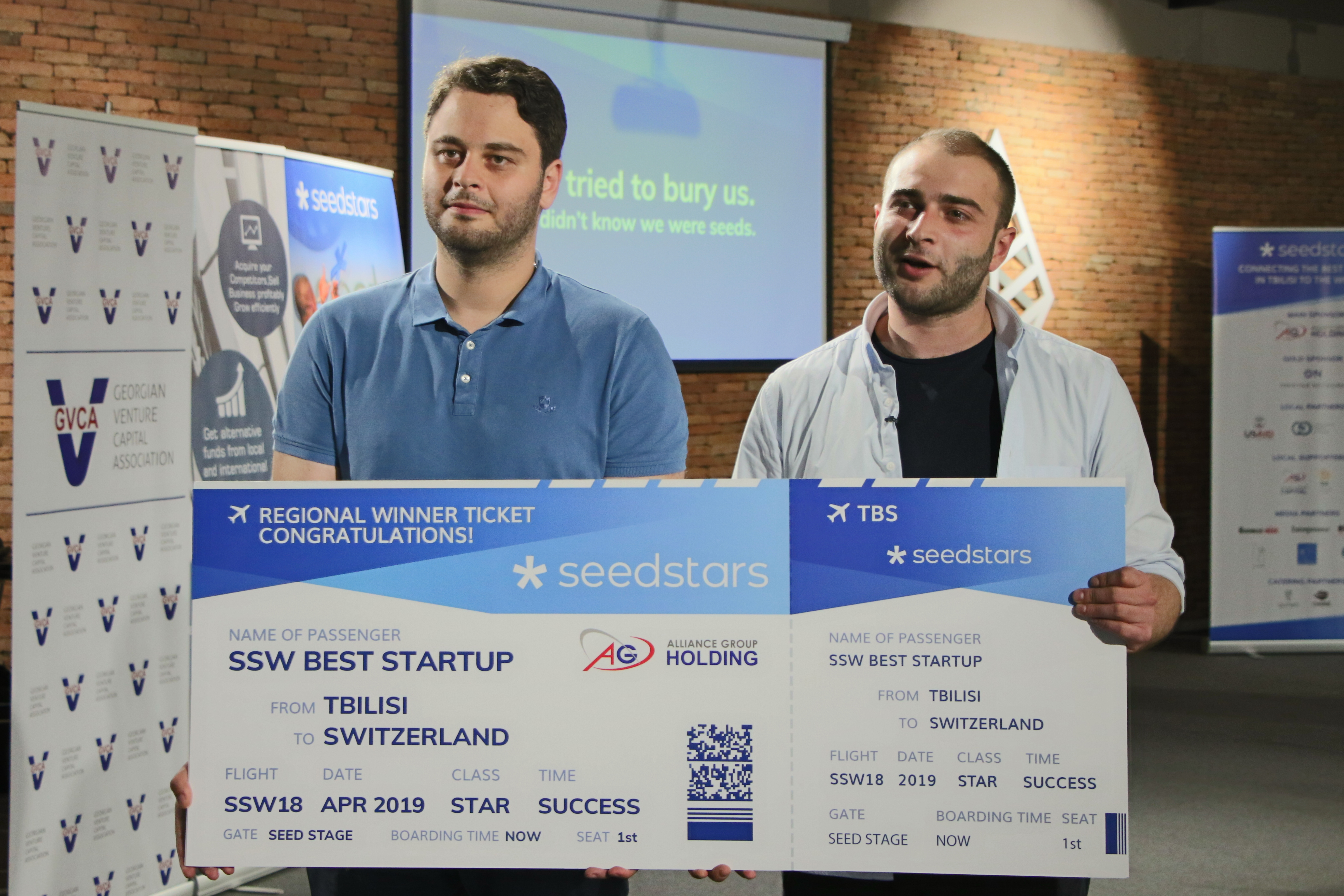
Seedstars Tbilisi 2018: Georgian Startup STYX Wins Logistics Tech Competition Seedstars Tbilisi 2018 has found its winner. On May 29, Georgian tech
Seedstars Tbilisi 2018: Apply Now to Win $1M+ and Join the Global Startup Family Seedstars Tbilisi 2018 is coming to Tech Park
Georgian Tax Model: 6 Taxes, Zero Bribes and 4th Lowest Burden in the World The Georgian tax model stands out as one
Startup Ecosystem Georgia: How a New Generation Is Building the Future in 1 Day The startup ecosystem Georgia has been developing is

Agribusiness Georgia: Wine, DCFTA and a Sector Full of Untapped Potential Agribusiness Georgia is built on deep cultural roots and exceptional natural
On March 30 and April 1, Nassim Taleb will run a 2-day Antifragility workshop for 100 top managers from the largest companies in

Construction Sector Georgia: 10,495 Permits, $241M Invested and 86% Growth The construction sector Georgia is experiencing rapid and measurable growth. Construction and

Georgia Export Import 2017: $7.9B in Trade and the Full Breakdown by Partner and Product Georgia export import 2017 data reveals the
The Free Trade Agreement between the Government of Georgia and the Government of the People’s Republic of China came into force and